Opening Ceremonies Define the Energy of an Event in GCC & Middle East
An opening ceremony is more than the first part of an event.
It is the moment that prepares the audience for everything that follows. It introduces the atmosphere, sets the emotional tone, and gives people a reason to feel connected from the very beginning.
When guests enter an event, they start forming impressions immediately. The lighting, sound, stage design, performers, music, visuals, and pacing all send a message before the main program begins. A strong opening ceremony brings these elements together into one focused experience.
For events in GCC & Middle East, the opening moment is especially important because it helps the audience understand the tone, purpose, and emotional direction of the experience. It gives the event a clear identity before the main program even begins.
This is why opening and closing ceremonies are so important for large events, cultural programs, corporate gatherings, festivals, and luxury occasions. They create the first emotional signal. They tell the audience that the event has direction, purpose, and meaning.
Soul Kulture creates opening and closing ceremonies across the GCC & Middle East, helping events begin with focus, emotion, atmosphere, and a clear sense of occasion.
In GCC & Middle East, where live events continue to become more ambitious and experience-led, a strong opening can decide how the audience receives the rest of the event. It can turn attention into anticipation. It can turn arrival into presence. It can make guests feel that they are entering something designed, not simply attending a program.
First Impressions Shape the Whole Event
Every event has a rhythm.
Some events begin with excitement. Others begin with elegance, ceremony, mystery, cultural pride, or anticipation. The opening moment helps the audience understand what kind of experience they are about to enter.
A weak opening can make even a well-planned event feel flat. A strong opening can make the audience more attentive, more engaged, and more emotionally ready. It gives the program a clear starting point instead of letting the event begin passively.
In GCC & Middle East, audience expectations, event scale, venue setting, and cultural context can shape how the first impression should feel. The opening needs to speak to the setting as much as it speaks to the event theme.
The best openings are not always the loudest or most complex. Sometimes the most powerful opening is simple, precise, and emotionally controlled. What matters is that it feels intentional.
A strong first impression can:
- Create focus before the main program
- Introduce the emotional tone of the event
- Make the audience feel present
- Give the event a clear identity
- Prepare guests for key moments
- Build anticipation
- Support the message of the occasion
- Make the experience feel polished from the start
In GCC & Middle East, where many events involve brands, institutions, VIP guests, public audiences, or cultural platforms, the opening is not a small detail. It is the audience’s first emotional contact with the event.
The Opening Should Create a Feeling
An opening ceremony should not only announce that an event has started.
It should create a feeling.
That feeling depends on the purpose of the event. A corporate event may need confidence and momentum. A cultural event may need pride and identity. A product launch may need curiosity and anticipation. A luxury gala may need elegance and refinement. A festival may need energy and movement.
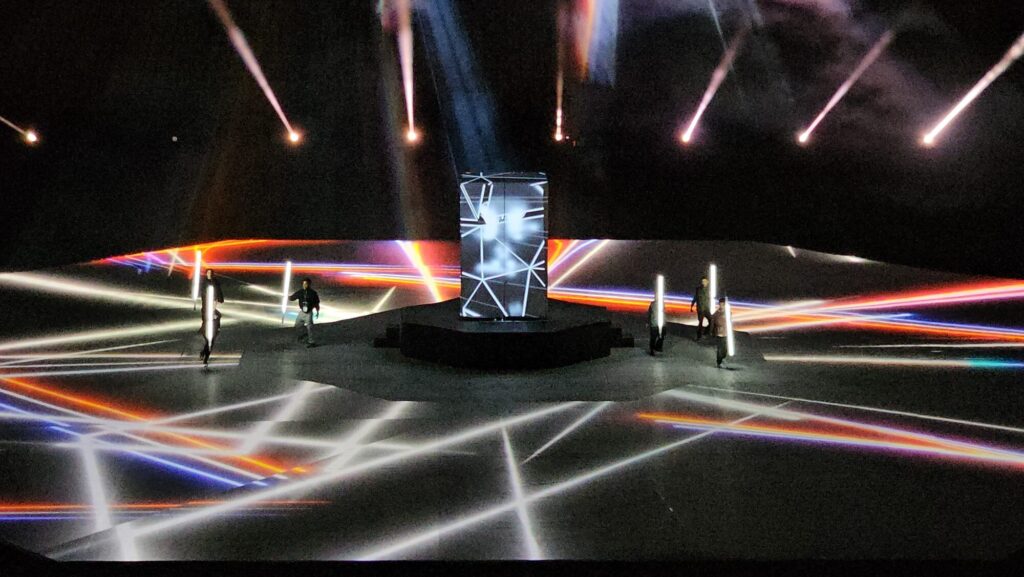
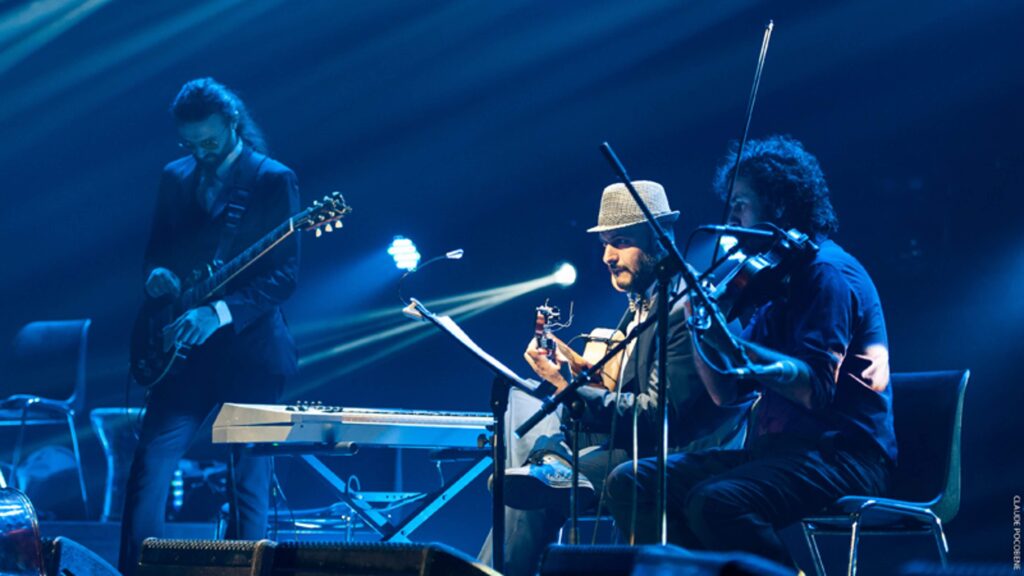
Entertainment helps create this emotion through music, performance, staging, narration, choreography, light, and visual direction. When these elements are designed together, the opening becomes part of the story instead of a separate performance.
For high-level events, corporate and luxury event entertainment can help shape this opening energy with precision. The goal is not only to impress the audience, but to make them feel the event’s identity from the first few minutes.
In GCC & Middle East, this emotional clarity matters because audiences often attend events with different expectations. Some guests may be focused on the business message. Others may be there for entertainment, celebration, networking, cultural connection, or brand experience. A strong opening brings everyone into the same emotional space.
It tells the audience: this is the feeling of the event.
The Opening Must Connect to the Bigger Story
A strong opening ceremony should not feel disconnected from the rest of the event.
It should introduce the theme, message, or emotional direction that will continue throughout the program. This can be done through symbolic visuals, music choices, movement, spoken words, cultural references, or a staged reveal. The audience may not notice every detail consciously, but they will feel when everything belongs together.
For example, a cultural event can open with a performance that introduces heritage, place, or identity. A corporate event can begin with a show moment that reflects progress, achievement, or transformation. A launch event can build suspense before revealing the brand or product story. A festival can begin with movement, rhythm, and energy that makes the space feel alive.
For brands and institutions in GCC & Middle East, this connection matters because the audience should feel that the event belongs to its context. The opening should not feel copied from another market. It should feel adapted to the people, place, and purpose of the occasion.
When the opening connects to the full event journey, it gives the experience structure. It helps the audience follow the mood from beginning to end.
A strong opening can introduce:
- The event theme
- The brand or institution’s message
- The cultural or emotional context
- The atmosphere of the venue
- The tone of the audience journey
- The rhythm of the program
- The importance of the occasion
In GCC & Middle East, this is especially important for events that want to feel meaningful rather than purely decorative. The opening should not only look strong. It should explain the event emotionally.
Ceremony Does Not Always Mean Formal
The word ceremony can sometimes feel serious, but an opening ceremony can take many forms.
It can be formal, theatrical, musical, immersive, energetic, elegant, symbolic, minimalist, or large-scale. The right format depends on the event, the audience, the venue, and the purpose of the occasion.
In GCC & Middle East, opening ceremonies can support many types of events, including:
- Corporate events
- Government events
- Product launches
- Luxury brand experiences
- Gala dinners
- Festivals
- Cultural programs
- Public events
- Destination experiences
- Award ceremonies
- Private large-scale occasions
- Institutional gatherings
Each type of event needs a different opening language.
A corporate gathering may need a refined opening that creates attention without distracting from the business purpose. A public festival may need something more energetic and accessible. A luxury launch may need restraint, atmosphere, and anticipation. A cultural program may need meaning, identity, and emotional depth.
The opening ceremony should never feel like a template.
It should feel shaped around the event.
Cultural Openings Need Meaning and Respect
Cultural openings can be especially powerful because they connect the audience to identity, memory, and place. But they need to be handled carefully. Cultural elements should not feel decorative or random. They should carry meaning.
A cultural opening may include traditional music, symbolic movement, live performers, storytelling, costumes, visual motifs, or ceremonial gestures. Each element should be chosen with purpose. The goal is to express culture with respect while still creating a strong live experience.
This is where cultural shows can bring depth to an opening ceremony. They allow culture to be expressed through performance, emotion, and stage direction, rather than being used only as a visual theme.
In GCC & Middle East, cultural openings can help events feel more rooted in place and more connected to the audience’s expectations. They can reflect identity, heritage, and atmosphere while still feeling contemporary and visually engaging.
A successful cultural opening does not simply show heritage.
It makes the audience feel its importance.
The opening should be sensitive to the context. It should understand what cultural references mean, how they should be presented, and how they can be translated into a live moment without losing respect or clarity.
Timing Gives the Opening Its Power
Opening ceremonies depend heavily on timing.
A few seconds too long can make the energy drop. A transition that feels slow can weaken the build-up. A reveal that happens too early can reduce the impact of the moment.
The timing of music, lighting, performer entrances, screen content, speeches, and transitions must work together. Every cue should support the emotional build.
Timing also depends on the audience journey, the venue, and the type of event being produced. A public festival, a corporate ceremony, and a luxury launch may all need different pacing, even when the goal is the same: to capture attention from the beginning.
This is especially important for live events in GCC & Middle East, where the audience feels every delay. A smooth opening creates confidence. It tells the audience that the event is controlled, professional, and well-directed.
Behind every powerful opening is a detailed structure. The audience may only see the final moment, but the success comes from planning, rehearsals, stage coordination, and technical precision.
Strong timing helps the opening feel:
- Focused
- Emotional
- Controlled
- Memorable
- Clear
- Professional
- Connected to the event journey
Without timing, even a beautiful opening can feel weak.
With timing, even a simple opening can feel powerful.
Openings for Product and Brand Launches
Product and brand launches need openings that create anticipation.
The audience should feel that something important is about to happen. This can be achieved through sound, visuals, staged movement, countdowns, live performers, narration, or immersive reveal moments.
Brand and product launch entertainment can help turn a launch from a presentation into an experience. Instead of simply showing a product, the event can build emotion around the idea behind it.
The opening should support the brand’s identity. A technology launch may need a modern and futuristic rhythm. A luxury product may need elegance and restraint. A lifestyle brand may need energy, movement, and atmosphere. A hospitality launch may need warmth, texture, and sensory detail.
For launches in GCC & Middle East, the opening should also feel relevant to the market and audience. The strongest launch openings do not only reveal a product. They create a moment that feels aligned with the location, the brand, and the people in the room.
The strongest launch openings make the reveal feel earned.
The audience should feel the build-up before they see the final moment.
Openings for Festivals and Public Events
Festivals need openings that activate the space and gather audience energy.
Unlike formal events, festival audiences may be spread across different zones, arriving at different times, and engaging with different experiences. This means the opening needs to work with movement, not only with a seated audience.
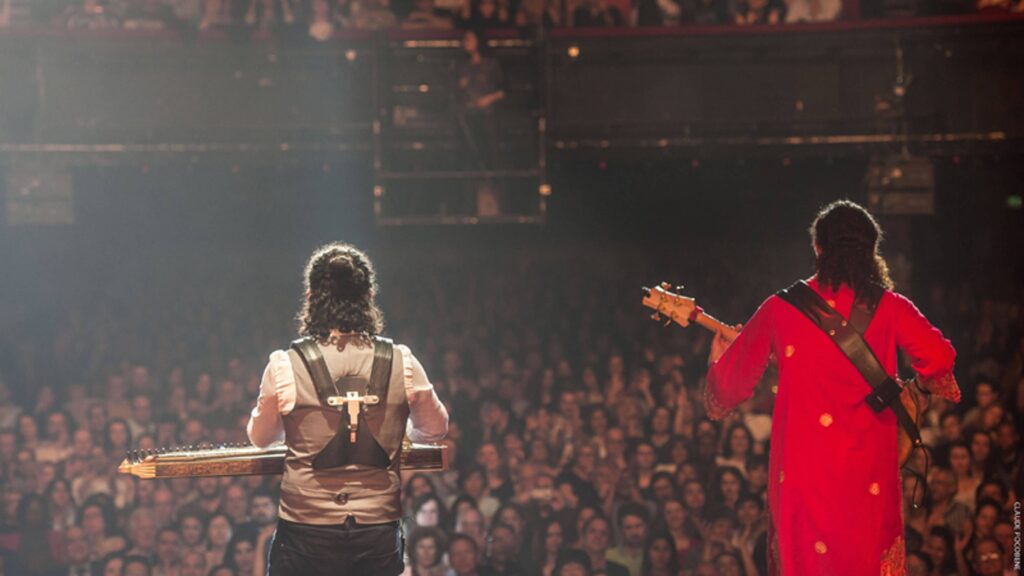
A festival opening can use music, roaming performers, parades, stage shows, cultural acts, or visual spectacles to bring people into the mood of the event. The goal is to make the festival feel alive from the beginning.
Festival entertainment can help create this sense of movement. It gives the event a pulse and encourages people to explore, participate, and stay engaged.
For festivals and public events in GCC & Middle East, the opening should make the whole environment feel active, not only the main stage. It should help visitors feel that they have entered a complete experience with energy, direction, and atmosphere.
A strong festival opening should not only mark the start.
It should make the audience feel that they have entered a different world.
Openings for Corporate and Luxury Events
Corporate and luxury events need openings that feel polished and appropriate.
A corporate opening should create focus, credibility, and momentum. It should help guests transition from arrival or networking into the main program. It can include music, visuals, speaker introductions, performance-led moments, or a symbolic opening that reflects the event theme.
A luxury opening should feel controlled, refined, and emotionally precise. It may not need scale. It may need atmosphere, elegance, and a carefully timed first impression.
In GCC & Middle East, corporate and luxury audiences often expect high standards of production. They can quickly feel when an opening is generic or disconnected from the event purpose.
The opening should match:
- The audience profile
- The brand or institution
- The venue
- The event message
- The level of formality
- The emotional tone
- The program that follows
A strong opening helps the event feel premium from the beginning.
It gives the room focus before the main content begins.
The Closing Matters Too
While the opening creates the first impression, the closing creates the final memory.
Both moments are connected.
The opening sets the promise of the event, while the closing completes it. A closing ceremony can leave the audience with celebration, reflection, pride, emotion, or unity. It gives the event a sense of completion. Without a strong closing, even a good event can feel unfinished.
For opening and closing ceremonies, the full journey matters. The opening and closing should not feel like separate decisions. They should create an emotional arc.
In GCC & Middle East, this can be especially important for festivals, ceremonies, conferences, gala evenings, and public events. The audience needs to feel that the experience has reached a proper ending.
A strong closing can:
- Reinforce the event message
- Create a final emotional peak
- Bring performers or key figures together
- Leave guests with a sense of completion
- Support the memory of the event
- Make the experience feel designed from start to finish
The final moment is often what people carry with them.
Opening Ceremonies Should Be Planned Early
Opening ceremonies affect many parts of the production.
They influence stage design, screen content, lighting, sound, performer blocking, music, timing, rehearsals, and technical setup. This means they should not be left until the end.
When the opening is planned early, it can be properly integrated into the full event. The stage can support the performance. The schedule can allow enough time. The technical team can prepare the cues. The creative direction can connect to the wider event message.
Early planning also helps the opening feel more localized and intentional. It gives the team time to consider audience behavior, cultural expectations, venue conditions, and the overall event journey.
In GCC & Middle East, this planning is important because many events involve multiple teams, suppliers, venues, performers, and production requirements. Late planning often leads to compromises. The concept may become smaller, the transitions may feel rushed, or the opening may not fit the overall experience.
A strong opening needs time to be developed.
It needs concept, rehearsals, technical coordination, and emotional direction.
Creating a Beginning That Stays With People
The beginning of an event is a rare opportunity.
The audience is fresh, curious, and ready to be guided. A well-designed opening uses that attention carefully.
It does not just welcome people. It pulls them into the experience. It creates the first emotional connection. It gives the event a clear identity.
When an opening ceremony is designed with purpose, it becomes more than an introduction. It becomes the moment that defines how the entire event will be remembered.
For events in GCC & Middle East, this is what makes opening ceremonies valuable. They create focus before the program begins. They give the event emotional direction. They make the audience feel that the experience has started with intention.
A strong opening should not feel separate from the event.
It should feel like the first chapter of the full story.
Frequently Asked Questions
Why is an opening ceremony important?
An opening ceremony sets the tone, introduces the event’s atmosphere, and prepares the audience emotionally for the full experience.
What makes an opening ceremony successful?
A successful opening ceremony has a clear concept, strong timing, emotional direction, smooth transitions, and a connection to the event’s main story.
Can opening ceremonies be customized?
Yes. Opening ceremonies can be customized through music, choreography, narration, cultural elements, performers, visuals, and stage direction.
What type of events need opening ceremonies?
Opening ceremonies are useful for corporate events, festivals, cultural events, product launches, government events, galas, and large public experiences.
Why should an opening ceremony be planned early?
It should be planned early because it affects the stage, lighting, sound, performers, timing, visuals, and technical coordination.
What is the difference between an opening and a closing ceremony?
An opening ceremony creates the first impression and sets the event tone, while a closing ceremony completes the journey and leaves the final memory.
Start your event with a moment that captures attention, creates emotion, and sets the tone for everything that follows.
Explore Opening & Closing CeremoniesYou May Also Like