Designing Festival Spaces That Encourage Discovery in GCC & Middle East
A successful festival is more than a collection of performances.
It is an environment that invites people to move, explore, discover, and interact.
From the moment visitors enter, the layout influences their decisions.
Where should they go first?
What attracts their attention?
What encourages them to move beyond the main stage?
These questions are central to festival experience design.
For cultural festivals and public celebrations in GCC & Middle East, creating a sense of discovery can transform a large event site into a connected and engaging destination.
Every Festival Needs a Spatial Story
A festival does not have to follow a traditional beginning, middle, and end.
However, it benefits from a clear underlying experience.
Different zones can represent different aspects of an artistic theme, cultural identity, or creative concept.
For example, a heritage festival may introduce visitors to traditional crafts in one area, contemporary cultural interpretations in another, and live performances in a central gathering space.
The relationship between these environments creates a broader narrative.
Visitors can discover different experiences while still understanding that everything belongs to one event.
This is an important consideration in cultural festival production, where storytelling and physical environments are developed together.
The Main Stage Should Not Be the Only Attraction
A large performance stage naturally becomes a focal point.
However, concentrating every major experience in one location can limit exploration across the festival site.
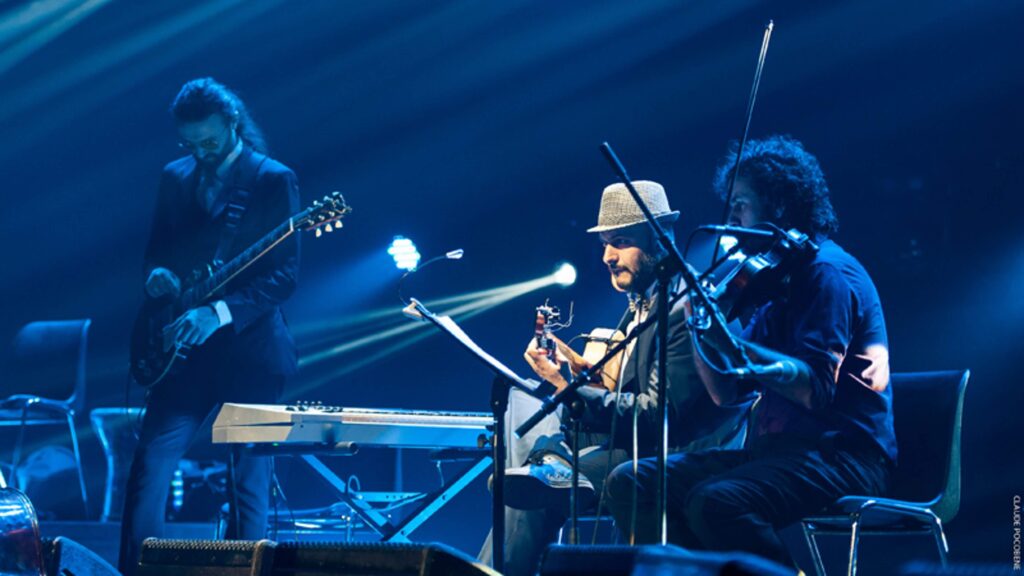
Smaller creative spaces can introduce variety.
These might include:
- Intimate live performance areas
- Interactive artistic installations
- Cultural demonstration spaces
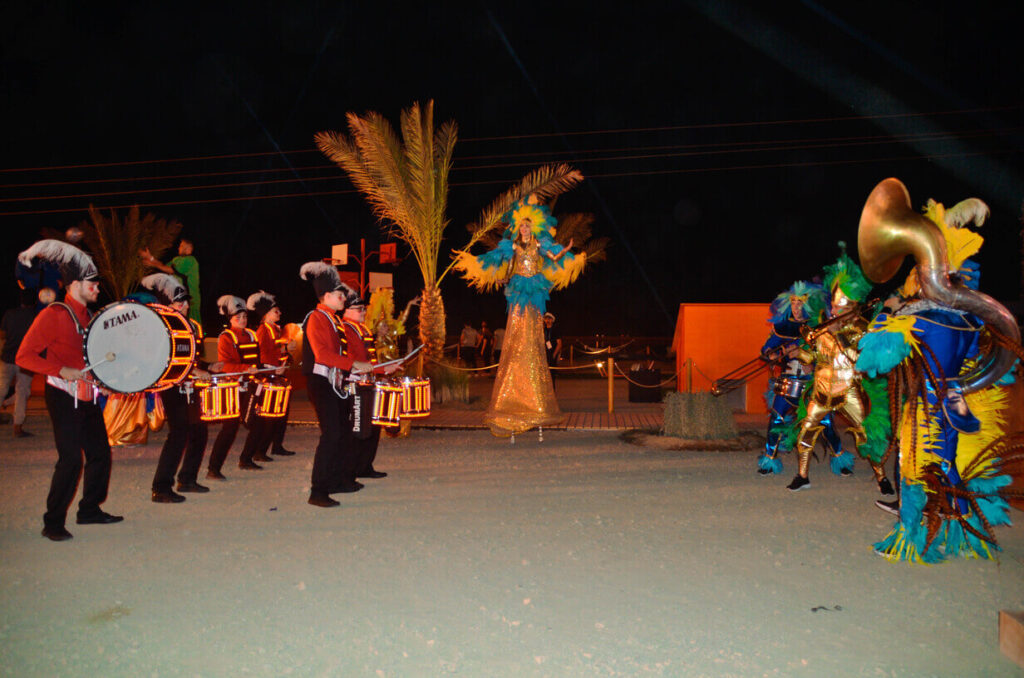
- Roaming entertainment
- Immersive environments
- Workshops and audience participation zones
The objective is to give visitors meaningful reasons to explore different parts of the venue.
These experiences should complement the main stage rather than compete with it.
A balanced program can make the entire festival feel active and connected.
Visual Landmarks Guide Visitor Movement
Festival navigation does not have to rely exclusively on signs.
Distinctive architectural elements, lighting features, and artistic installations can help visitors recognize and remember different areas.
A sculptural entrance may identify a cultural district.
An illuminated installation may signal the beginning of an immersive zone.
A recognizable performance structure can become a meeting point.
These landmarks contribute to both navigation and atmosphere.
They can also create moments that visitors naturally want to photograph and share.
For organizers in GCC & Middle East, visual landmarks offer an opportunity to combine practical orientation with creative identity.
Creative Discovery Must Remain Accessible
An exciting festival environment should also be easy to navigate.
Visitors need clear routes, understandable circulation, and appropriate access to different experiences.
Accessibility should be integrated early into planning rather than addressed after the creative design is finalized.
Important considerations include:
- Clear and unobstructed pathways
- Accessible routes between key attractions
- Suitable rest areas
- Visible information points
- Emergency access and safety requirements
- Manageable circulation around popular attractions
Immersive design is most effective when it supports the audience’s comfort and understanding of the environment.
Creative complexity should never become unnecessary confusion.
Unexpected Performances Create Moments of Surprise
Discovery can also come from entertainment that appears outside dedicated stage areas.
A roaming musical ensemble, a character-led interaction, or a short theatrical sequence can transform a pathway into a memorable moment.
These experiences encourage visitors to pay attention to their surroundings.
However, surprise must be carefully planned.
Performances should not interfere with essential circulation routes, create unsafe crowding, or obstruct operational access.
Through thoughtful festival entertainment programming, artistic moments can be integrated into the visitor journey without disrupting the event’s flow.
Interactive Zones Give Visitors an Active Role
Audiences are not always satisfied with watching performances from a distance.
Some experiences become more meaningful when visitors can participate.
Interactive zones can encourage engagement through creative activities, immersive storytelling, artistic demonstrations, or guided cultural encounters.
These formats are particularly useful when a festival welcomes different age groups and visitor interests.
Participation can deepen the relationship between the visitor and the event’s theme.
It may also increase the amount of time audiences choose to spend exploring individual zones.
Developing interactive and immersive experiences allows creative teams to approach engagement as part of the festival’s design rather than an additional attraction.
A Festival Should Feel Different Throughout the Day
Festival environments can change character as the day progresses.
Daytime programming may emphasize workshops, family activities, and cultural discovery.
As evening approaches, lighting and entertainment can create a more dramatic atmosphere.
The same physical space may support different experiences through changing sound, performance schedules, and visual environments.
This flexibility helps organizers create a richer visitor journey without requiring every zone to remain identical throughout the event.
Production planning must account for these transitions, including lighting conditions, staffing, visitor circulation, and technical requirements.
Designing for Exploration, Connection, and Memory
The most engaging festivals encourage audiences to become active participants in the environment.
Visitors should feel that there is always something meaningful to explore, whether it is a major performance, an intimate cultural encounter, or an unexpected artistic installation.
At Soul Kulture, festival entertainment and experiential production connect creative storytelling with artistic programming and spatial design.
This integrated approach supports festivals that feel cohesive while offering different experiences throughout the venue.
Because a memorable festival is not defined only by what happens on the main stage.
It is shaped by everything audiences discover along the way.
Frequently Asked Questions
Turn your festival into a world worth exploring. Create a connected cultural experience through bespoke festival production in GCC & Middle East.
Explore Cultural Festival ProductionYou May Also Like