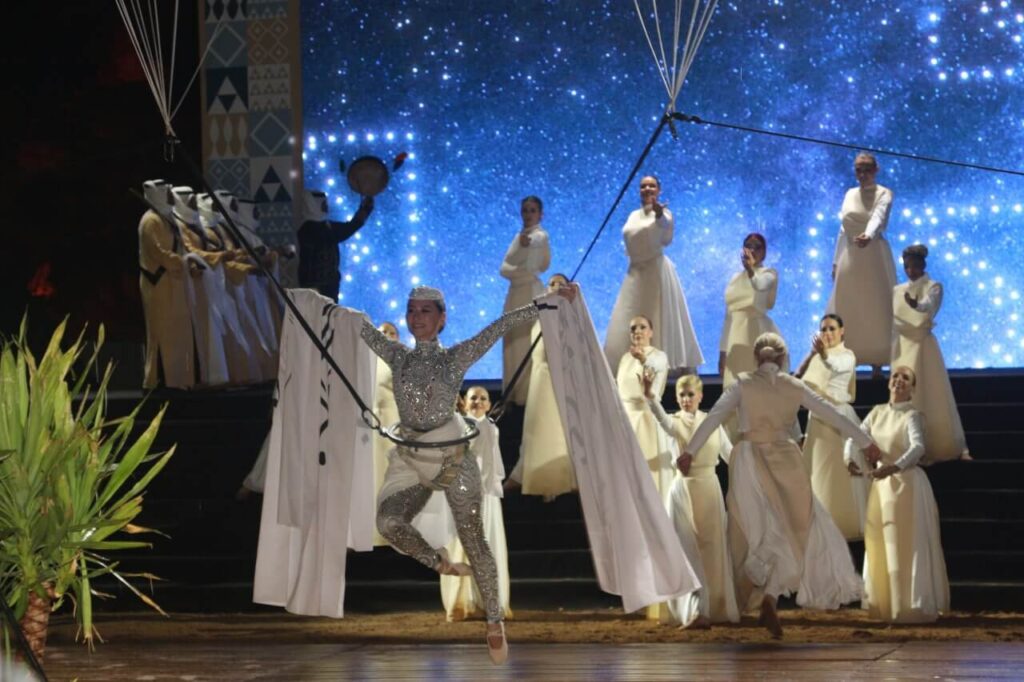
Cultural Storytelling Makes Events More Memorable in GCC & Middle East
Cultural storytelling has the power to turn an event from a simple production into a meaningful experience. It gives the audience something deeper than visuals, music, and performance. It gives them context, emotion, identity, and a reason to remember what they experienced.
In event entertainment, culture should never feel like decoration. It should not be used only as a visual layer, background theme, costume reference, or surface-level style. When handled with care, culture becomes the foundation of the experience. It shapes the music, movement, costume direction, stage atmosphere, visual rhythm, performance language, and emotional tone of the entire event.
For events in GCC & Middle East, cultural storytelling can help the experience feel more connected to place, audience, and purpose. It gives the event a local emotional layer instead of making it feel generic or copied from another market. When audiences in GCC & Middle East feel that the entertainment reflects context, identity, and atmosphere, the experience becomes more powerful.
Soul Kulture creates cultural storytelling experiences across the GCC & Middle East, helping events connect heritage, performance, audience emotion, and live entertainment into one meaningful journey.
This is why cultural shows have become an important part of events that want to connect with audiences on a more emotional level. They help transform heritage, tradition, and collective memory into live moments that feel present, relevant, and powerful.
A culturally informed event does not only ask what the audience should see. It asks what they should feel, what they should recognize, what they should discover, and what memory should remain after the event ends.
The Difference Between a Theme and a Story
Many events use cultural references as a theme.
A theme can create visual consistency, but it does not always create meaning. A story goes deeper. It gives every element a reason to exist.
A theme might use patterns, colors, music, props, or traditional references. A story explains why those elements are there and how they connect emotionally. It gives the audience a path to follow. It makes the performance feel intentional instead of decorative.
In GCC & Middle East, this difference matters because audiences can quickly feel when cultural references are used only for appearance. A beautiful costume may catch attention, but if it is not connected to a clear idea, the moment can feel empty. A traditional rhythm may sound powerful, but if it is placed randomly, it may not support the event journey.
Cultural storytelling turns visual references into emotional structure.
It connects:
- Music to mood
- Movement to meaning
- Costume to identity
- Stage design to atmosphere
- Lighting to emotion
- Performance to memory
- Audience journey to place
- Event purpose to cultural context
When these elements work together, the event feels whole.
Culture Gives an Event a Sense of Place
Every memorable event needs a sense of place.
Guests should feel where they are, why the event matters, and what story surrounds them. This is especially important for cultural festivals, national celebrations, destination events, public ceremonies, large-scale experiences, and events connected to heritage or identity.
Culture gives an event emotional grounding. It helps the audience understand that the experience belongs to a specific context. This can be expressed through music, narration, performance style, costume details, symbolic movement, stage composition, or the way guests move through the space.
In GCC & Middle East, a strong sense of place can make an event feel more authentic and more memorable. The audience should not feel like the same performance could have been placed anywhere. They should feel that the experience belongs to GCC & Middle East, to the venue, to the occasion, and to the people attending.
A culturally informed event does not need to explain everything directly. It can communicate through atmosphere. The sound of traditional instruments, the rhythm of movement, the use of local patterns, or the presence of symbolic gestures can make the audience feel connected to the story before a single word is spoken.
This is where cultural storytelling becomes powerful. It gives the event roots.
Heritage Should Feel Alive, Not Frozen
Heritage becomes more powerful when it is presented as a living experience.
Many events make the mistake of treating culture as something static, as if it only belongs in the past. Strong cultural storytelling does the opposite. It shows how heritage continues to move, evolve, and inspire.
Through performance, culture can feel active. A traditional rhythm can be reimagined through contemporary stage direction. A symbolic costume can become part of a dramatic visual moment. A historical idea can be expressed through choreography, lighting, music, and audience interaction.
This approach helps create experiences that respect the past while speaking to modern audiences. It allows cultural entertainment to feel authentic without feeling old-fashioned. It also helps younger audiences connect with heritage in a way that feels emotional, visual, and memorable.
For audiences in GCC & Middle East, this balance matters because cultural experiences should feel rooted in identity while still matching the expectations of today’s event environments. Live events in GCC & Middle East are becoming more polished, more immersive, and more visually aware. Cultural storytelling needs to meet that standard without losing meaning.
The goal is not to modernize culture until it becomes unrecognizable.
The goal is to give heritage a stage presence that feels alive today.
Cultural Shows Need Sensitivity and Precision
A cultural event carries responsibility.
The goal is not only to impress the audience. The goal is to represent meaning with respect. This requires research, creative discipline, and a clear understanding of the culture being presented.
A strong cultural show is built around more than beautiful costumes or impressive staging. It needs a clear idea. What is the story? What emotion should the audience feel? Which details are essential? Which elements should be modernized, and which should remain untouched?
When these decisions are made carefully, the show feels balanced. It becomes artistic without losing authenticity. It becomes contemporary without removing the cultural soul.
This is especially important for cultural festival production, where entertainment must support both scale and meaning. A festival may need large audience engagement, strong visuals, and live energy, but it also needs respect for the story being told.
In GCC & Middle East, cultural context, audience expectations, and event objectives can all influence how the story should be presented. A public event may need accessibility and energy. A formal ceremony may need restraint. A destination event may need atmosphere and place. A festival may need movement and discovery. A corporate event may need polish and clarity.
Sensitivity does not make the show weaker.
It makes it stronger because the audience feels that the culture has been treated with intention.
Interactive Experiences Create Deeper Connection
Some cultural events are strongest when the audience does more than watch.
Interactive formats allow guests to step into the story and experience culture through movement, participation, and discovery.
Interactive cultural experiences can include guided journeys, live performers, themed environments, audience participation, sensory moments, storytelling stations, or immersive spaces. These formats help culture feel personal because the audience is no longer outside the experience.
Interaction creates memory. When guests take part in a moment, walk through a designed environment, or engage with performers, the event becomes something they lived through. This makes the cultural message stronger and more memorable.
In GCC & Middle East, interactive cultural storytelling can work well for festivals, museums, destination activations, family events, public celebrations, brand experiences, and private occasions. It allows people to connect with cultural ideas through atmosphere, sound, movement, and presence.
The interaction does not always need to be obvious. A performer can guide guests through a space. A sound can lead them toward a scene. A visual detail can invite them to stop and look closer. A small gesture can make the audience feel included.
The audience should feel invited, not pressured.
Modern Audiences Expect More Than a Stage
Today’s audiences are used to high-quality visuals, fast content, immersive environments, and shareable moments.
This does not mean cultural entertainment should become loud or exaggerated. It means the presentation needs to feel intentional, polished, and emotionally engaging.
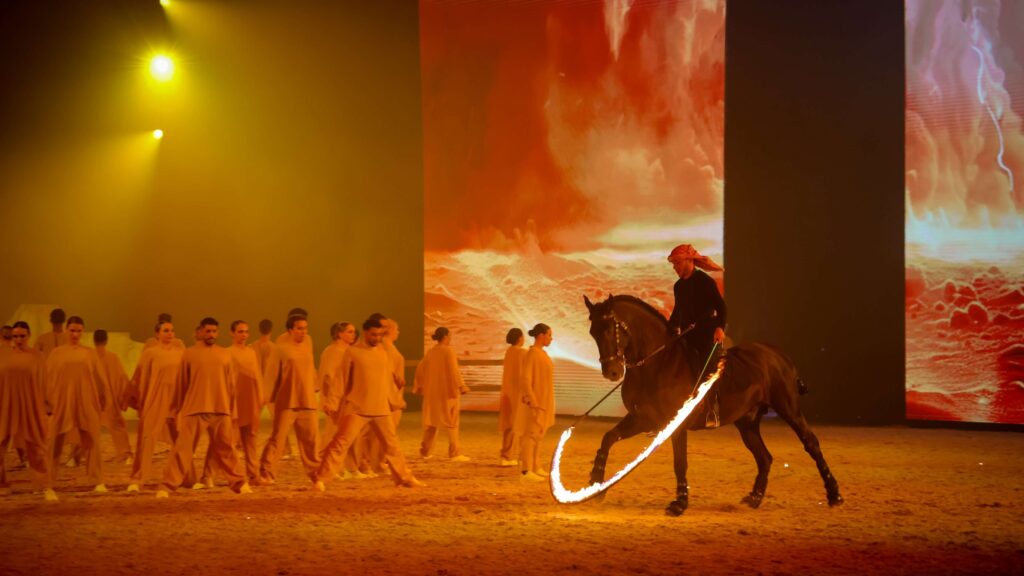
Modern cultural entertainment can combine traditional elements with theatrical direction, multimedia, lighting, sound design, live music, and immersive staging. The goal is not to replace culture with technology. The goal is to use production tools to help the story feel stronger.
This is where modern festival entertainment can create a powerful balance. It can bring together heritage, performance, audience movement, and contemporary production to create an experience that feels both rooted and fresh.
For events in GCC & Middle East, this balance can help cultural storytelling feel relevant to today’s audiences while still respecting the emotional value of heritage. The strongest modern cultural events do not simply show tradition. They create an environment where tradition feels alive in the present.
Modern presentation should support the story, not overwhelm it.
A lighting effect should help shape emotion. A screen visual should support the narrative. A sound cue should deepen atmosphere. A performance should bring the meaning closer to the audience.
When production tools are used with purpose, culture becomes more visible, more emotional, and more memorable.
Music and Movement Carry Emotional Memory
Music is one of the most powerful tools in cultural storytelling.
It can instantly create atmosphere, shift energy, and connect audiences to a specific mood or identity. A rhythm can feel familiar even before the audience understands its full meaning.
Movement works in the same way. Choreography, procession, gesture, and performer positioning can communicate pride, celebration, unity, tension, or transformation. When music and movement work together, they give the audience an emotional path to follow.
In GCC & Middle East, cultural storytelling can become stronger when the rhythm of the performance matches the emotional rhythm of the event. A formal ceremony may need slow, controlled movement. A festival may need energy and repetition. A destination experience may need atmosphere and discovery. A public celebration may need scale and collective emotion.
This is why cultural entertainment should be planned with a strong sense of rhythm.
The experience needs quiet moments, rising energy, transitions, and emotional peaks. Without this structure, even a beautiful show can feel flat. With the right structure, the performance becomes a journey.
The audience may not remember every detail of the performance, but they may remember a sound, a rhythm, a gesture, a final formation, or a moment when everything came together emotionally.
Cultural Storytelling Supports Large-Scale Events
Large-scale events need more than size.
They need meaning.
A big stage, a large cast, and impressive visuals can attract attention, but storytelling gives the event emotional weight. Without story, scale can feel empty. With story, scale becomes meaningful.
For public festivals and cultural celebrations in GCC & Middle East, storytelling helps organize the experience. It gives each performance a role. It connects the opening moment to the main program and the closing scene. It helps the audience understand why the event feels important.
This is especially valuable for festival entertainment, where multiple acts, zones, and performances must feel connected. Without a clear creative direction, a festival can feel like a collection of separate activities. With cultural storytelling, it can feel like one complete world.
A large-scale event may include:
- Opening performances
- Roaming entertainment
- Stage shows
- Cultural installations
- Live music
- Immersive spaces
- Audience interactions
- Closing moments
- Visual storytelling
- Symbolic movement
- Performance zones
Cultural storytelling gives these elements a shared purpose.
For festivals and public events in GCC & Middle East, the story should also reflect the environment around it. The audience should feel that the experience belongs to the destination, the occasion, and the people attending.
Brands and Institutions Can Use Culture With Purpose
Cultural storytelling is not only important for public events.
It can also support brands, institutions, and organizations that want to create meaningful audience experiences.
A brand may want to connect with a specific region, celebrate a local identity, or create an experience that respects the audience’s cultural context. An institution may want to present heritage in a way that feels educational, emotional, and accessible. A government or destination event may want to communicate pride, progress, and belonging.
In each case, entertainment becomes more than performance.
It becomes communication.
It helps the audience feel the message instead of only hearing it.
For brands and institutions in GCC & Middle East, this can be especially valuable when the event needs to feel local, relevant, respectful, and emotionally strong. A culturally informed experience can help the audience feel seen. It can help international guests understand the setting. It can help the event feel more rooted in place.
But cultural storytelling must be handled carefully. It should not be used only because it looks beautiful. It should support a real message, purpose, or audience connection.
When culture is used with purpose, it gives the event depth.
The Difference Between Decoration and Story
There is a clear difference between using culture as decoration and using culture as story.
Decoration may look beautiful, but it often stays on the surface. It uses patterns, costumes, props, or music without building meaning around them.
Story gives every element a reason.
The costume supports the character or theme. The music supports the emotional tone. The movement supports the message. The stage supports the journey. The audience can feel that everything belongs together.
This is what makes cultural storytelling powerful. It creates coherence. It allows the event to feel designed, not assembled. It gives the audience a full emotional experience instead of disconnected visual moments.
In GCC & Middle East, audiences are becoming more sensitive to this difference. They can feel when an event respects context, and they can feel when it is only borrowing visual elements. A meaningful cultural event should always aim for story over decoration.
Culture should not be added at the end.
It should guide the concept from the beginning.
Creating Events That Respect and Inspire
The most successful cultural events respect what they are presenting while still finding a way to inspire the audience.
They avoid clichés, rushed concepts, and surface-level references. They look for meaning first, then build the creative direction around it.
This requires collaboration between creative teams, cultural consultants, performers, production specialists, and event planners. Every decision should support the same goal: to create an experience that feels authentic, beautiful, and emotionally clear.
For events in GCC & Middle East, this process can help cultural storytelling feel more grounded and more memorable. It allows the event to speak to local context while still creating a polished live experience for different audiences.
When cultural storytelling is done well, the audience does not only remember what they saw. They remember what they felt. They remember the atmosphere, the rhythm, the pride, the beauty, and the sense of connection.
A cultural event should not only present identity.
It should create an emotional bridge between the story, the place, and the audience.
Cultural Storytelling Leaves a Stronger Memory
The most meaningful events are remembered because they make people feel connected.
Cultural storytelling helps create that connection. It gives the event a reason to exist beyond production. It makes the performance feel rooted. It gives the audience emotional context. It turns visuals into meaning and entertainment into memory.
In GCC & Middle East, where events continue to become more ambitious, cultural storytelling can help experiences stand out for the right reasons. It gives festivals, ceremonies, brand events, destination experiences, and public programs a deeper emotional foundation.
The strongest cultural entertainment does not only show culture.
It allows the audience to feel why it matters.
That is what turns a live event into a meaningful experience.
Frequently Asked Questions
Why is cultural storytelling important in events?
Cultural storytelling gives an event meaning, emotion, and identity. It helps audiences connect with the experience on a deeper level and remember it after the event ends.
What makes a cultural show successful?
A successful cultural show respects heritage, understands context, and presents tradition through strong creative direction, music, movement, staging, and emotional rhythm.
How can cultural entertainment feel modern without losing authenticity?
Cultural entertainment can feel modern by using lighting, sound, multimedia, and contemporary staging while keeping the core cultural meaning, symbols, and emotional context intact.
What is the difference between a cultural show and an interactive cultural experience?
A cultural show is usually performed for the audience, while an interactive cultural experience allows guests to participate, explore, or engage directly with the story or environment.
Can cultural storytelling be used in brand events?
Yes. Brands can use cultural storytelling to connect with a specific audience, region, or occasion in a way that feels respectful, meaningful, and emotionally relevant.
Why should cultural entertainment be planned early?
It should be planned early because it affects the creative concept, stage design, performers, music, costumes, technical setup, and overall audience journey.
Build cultural experiences that feel meaningful, respectful, and unforgettable through entertainment shaped by story, identity, and emotion.
Explore Cultural ShowsYou May Also Like
![Human Capability Initiative [image_alt_tag_value]](https://soulkultureevents.com/wp-content/uploads/2026/03/WhatsApp-Image-2025-05-03-at-15.34.53_ef55a5b4-1024x682.jpg)