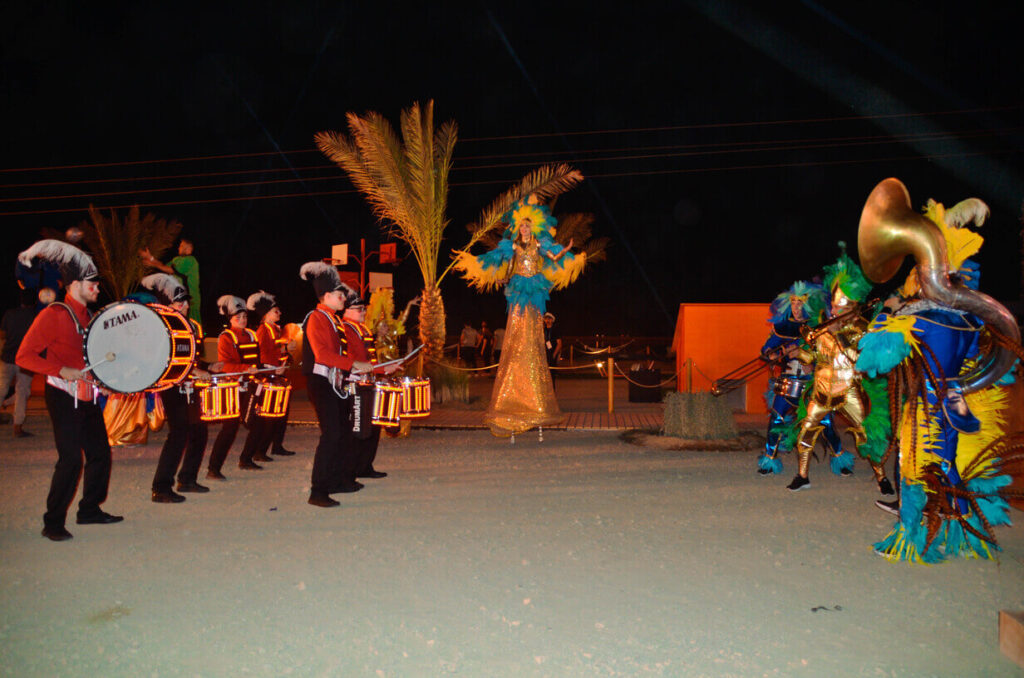
The Visual Language of Cultural Festival Entrances in GCC & Middle East
The entrance to a cultural festival is more than a point of access. It is the first visible expression of the event’s identity, setting expectations before visitors encounter the main attractions, performances, or installations.
An entrance can communicate heritage, artistic ambition, contemporary creativity, and a sense of place through its architecture and visual details.
In large-scale cultural festivals, this first impression becomes particularly important because the event may encompass several creative environments, each representing a different part of the central concept.
For organizers in GCC & Middle East, thoughtful entrance design provides an opportunity to establish a recognizable identity while introducing visitors to the cultural narrative of the event.
The Entrance as the Beginning of a Cultural Narrative
A successful entrance should feel connected to the wider festival.
The design may draw inspiration from regional architecture, traditional craftsmanship, historical patterns, or contemporary interpretations of cultural symbols.
However, these references should contribute to a clear visual idea.
For example, a festival celebrating traditional craftsmanship might introduce materials and structural details associated with local building techniques.
A contemporary arts festival could use sculptural forms and innovative lighting to communicate experimentation and creativity.
In both cases, the entrance prepares visitors for the artistic experiences that follow.
The objective is not simply to construct an impressive gateway. It is to communicate the character of the event through a carefully developed visual language.
Architecture Establishes Scale and Identity
Architectural design is one of the most influential elements of a festival entrance.
Height, proportions, structural rhythm, and spatial composition all affect how the entrance is perceived.
A monumental gateway may communicate the importance of a national celebration or major cultural event.
A sequence of smaller architectural elements can create a more intimate approach, introducing visitors gradually to the festival environment.
The architectural concept should respond to the venue and surrounding landscape.
A historic setting may require an entrance that respects existing architectural features, while a modern urban site may support more experimental forms.
The most effective design creates a relationship between the festival’s cultural identity and the physical character of its location.
Cultural References Need Authenticity
Cultural inspiration should never be reduced to decorative patterns selected only for visual impact.
Every symbol, material, and artistic reference has a context.
A design that appears visually attractive may still be inappropriate if its cultural elements are misunderstood or placed in an unrelated setting.
Research is therefore an important part of creative development.
Designers may study architectural traditions, local craft techniques, decorative arts, and historical forms to understand how particular references should be used.
For major cultural projects, collaboration with historians, cultural specialists, and local artists can strengthen the accuracy of the concept.
Through cultural festival production, artistic research and production design can support an experience that respects heritage while introducing contemporary creative approaches.
Materials Influence the Meaning of the Space
Materials communicate texture, permanence, warmth, and cultural character.
Natural stone, timber, metal, woven surfaces, and architectural finishes can create different impressions depending on how they are used.
For example, textured surfaces may introduce a connection to traditional craftsmanship, while refined metal structures can establish a contemporary visual identity.
The selection should also reflect practical production conditions.
Temporary festival structures need to consider durability, structural requirements, installation methods, environmental exposure, and removal after the event.
The challenge is to create a visually convincing environment using materials appropriate for the intended duration and location.
Production teams should evaluate how the entrance will appear both during the day and under artificial lighting.
Lighting Gives Architecture a Second Identity
Lighting can transform the appearance of a festival entrance.
During daylight hours, architectural proportions and material textures may provide the primary visual impact.
As evening approaches, lighting introduces another dimension.
Warm illumination can emphasize natural materials and create a welcoming atmosphere.
Controlled accent lighting can reveal geometric details and guide attention toward important architectural features.
Color and intensity may also be used to connect the entrance with the festival’s broader visual identity.
However, lighting should support the architecture rather than overwhelm it.
The strongest result often comes from revealing carefully selected details instead of illuminating every surface equally.
Creating a Distinctive Arrival Sequence
The entrance experience does not need to begin and end at a single gateway.
A series of connected architectural moments can create a gradual transition from the surrounding environment into the festival.
This approach may involve:
- An initial visual landmark visible from a distance
- A gateway introducing the festival identity
- An illuminated approach or transitional corridor
- Carefully positioned artistic installations
- A final visual reveal of the main festival environment
Each element can contribute to the overall visual composition.
The sequence should remain understandable and accessible, with clear routes that do not create unnecessary congestion.
Scenic Design and Architectural Detail
Festival entrances often benefit from the combination of architectural planning and scenic design.
Architecture provides the main structure, while scenography can introduce artistic details that reinforce the narrative.
These may include sculptural installations, textured surfaces, integrated media, suspended elements, or artist-designed features.
Scenic elements should be selected according to the event’s theme and the surrounding architecture.
A successful installation should look intentional from multiple viewing positions.
It should also maintain its visual quality throughout the event, including during different lighting conditions and periods of heavy visitor activity.
Integrating Technology Into Cultural Design
Contemporary festival entrances can include digital and multimedia elements, but technology should have a clear creative purpose.
Projection mapping, responsive lighting, or architectural media surfaces may help express a cultural story.
For example, projected visuals could introduce abstract interpretations of traditional artistic forms.
A responsive lighting installation could change gradually throughout the evening.
However, technology should not replace the cultural foundation of the design.
It should provide an additional way to interpret the central concept.
Technical systems also need to be appropriate for the venue, environmental conditions, and available maintenance resources.
Visual Consistency Across Festival Spaces
An entrance is most effective when its design language continues into the wider event.
This does not require every space to look identical.
Instead, selected visual elements can establish continuity.
A particular color palette, material, geometric form, or lighting treatment may appear in different interpretations across the venue.
For example, an architectural pattern introduced at the entrance might reappear in stage scenic elements or environmental installations.
This creates a recognizable relationship between separate spaces.
Through festival entertainment, artistic programming and scenic environments can contribute to a cohesive festival identity.
The result is a connected experience rather than a collection of unrelated attractions.
Designing for the Surrounding Environment
Festival entrances are frequently located in outdoor environments where existing surroundings influence the design.
The scale of nearby buildings, landscape features, road access, and available open space can all affect the visual approach.
An entrance placed within a historical district may need to complement protected architecture.
A gateway at an expansive outdoor venue may require stronger proportions to remain visible from a distance.
Designers should also consider how the structure appears from different arrival directions.
A concept that looks impressive in one architectural rendering may be less effective when approached from another angle.
Evaluating the structure within its actual site context helps avoid this problem.
The Relationship Between Identity and Wayfinding
Although the entrance is an artistic feature, it also serves a practical function.
Visitors need to recognize where the event begins and understand how to reach the appropriate access points.
Visual identity can help provide this clarity.
Distinctive architectural landmarks allow visitors to identify the main approach.
Lighting can draw attention toward access routes.
Signage can be integrated without interrupting the overall design.
The objective is to combine recognizable festival identity with practical orientation.
An impressive entrance loses much of its value if visitors struggle to understand where to go.
Safety and Accessibility Shape the Final Design
Creative ambition must be supported by responsible technical planning.
Entrance structures should be designed and installed according to the applicable engineering, venue, and safety requirements.
The event team must consider structural stability, weather exposure, safe circulation, emergency access, and the movement of large audiences.
Accessibility is equally important.
The entrance should provide suitable routes for visitors with different mobility requirements.
Architectural features should not obstruct essential movement or create unnecessary hazards.
These requirements should influence the design from the beginning rather than being introduced as late modifications.
Photography and the Festival’s Public Identity
An entrance often becomes one of the most photographed parts of a festival.
Its scale and visual character can make it a recognizable representation of the event.
This creates an opportunity to strengthen the festival’s identity across promotional materials, media coverage, and visitor photography.
However, photography should not become the only design objective.
The structure still needs to function as an effective entrance.
A successful design balances visual impact with practical use, cultural meaning, and the surrounding environment.
The most memorable architectural landmarks tend to achieve all of these objectives together.
Creative Direction Connects Every Element
Entrance design requires coordination between several creative and technical disciplines.
Architects, scenic designers, lighting specialists, production teams, and cultural consultants may all contribute to the final result.
Without a shared creative direction, the different elements can feel disconnected.
A clear concept helps establish consistent decisions regarding scale, materials, lighting, installation details, and visual references.
For projects in GCC & Middle East, this collaboration is especially valuable when the entrance must express regional identity while meeting contemporary production expectations.
Developing the visual direction early allows the team to evaluate both artistic quality and technical feasibility before construction begins.
An Entrance That Represents the Entire Festival
The most successful cultural festival entrances communicate more than an event name.
They introduce a visual world.
Architecture establishes the identity, materials provide character, lighting creates atmosphere, and scenic details connect the design to the cultural narrative.
When these elements are thoughtfully developed, the entrance becomes a recognizable expression of the festival itself.
Soul Kulture approaches cultural entertainment and festival experiences by connecting artistic direction, cultural storytelling, and production design.
The purpose is to create experiences in which individual elements contribute to one coherent identity.
For cultural events in GCC & Middle East, across the GCC & Middle East can become part of a distinctive visual direction that connects place, heritage, and contemporary creative expression.
A successful entrance does more than welcome visitors. It makes the festival’s identity visible before the experience unfolds.
Frequently Asked Questions
Frequently Asked Questions
Why is entrance design important for cultural festivals?
Entrance design establishes the festival’s visual identity, introduces its cultural narrative, and creates a recognizable architectural landmark.
How can festival entrances reflect local heritage?
They can incorporate researched architectural references, appropriate materials, traditional craftsmanship, and culturally informed scenic details.
What role does lighting play in festival entrance design?
Lighting emphasizes architectural features, creates atmosphere, improves visual recognition, and helps connect the entrance with the wider festival identity.
Can contemporary technology be used in cultural festival entrances?
Yes. Projection mapping, architectural lighting, and digital installations can complement cultural storytelling when they have a clear creative purpose.
What practical requirements should influence festival entrance design?
Structural safety, accessibility, environmental conditions, visitor circulation, installation requirements, and venue restrictions should be considered during planning.
Establish a distinctive visual identity for your next cultural festival in GCC & Middle East through thoughtful architectural design, artistic storytelling, and integrated production.</span>
Explore Cultural Festival Production</span>You May Also Like