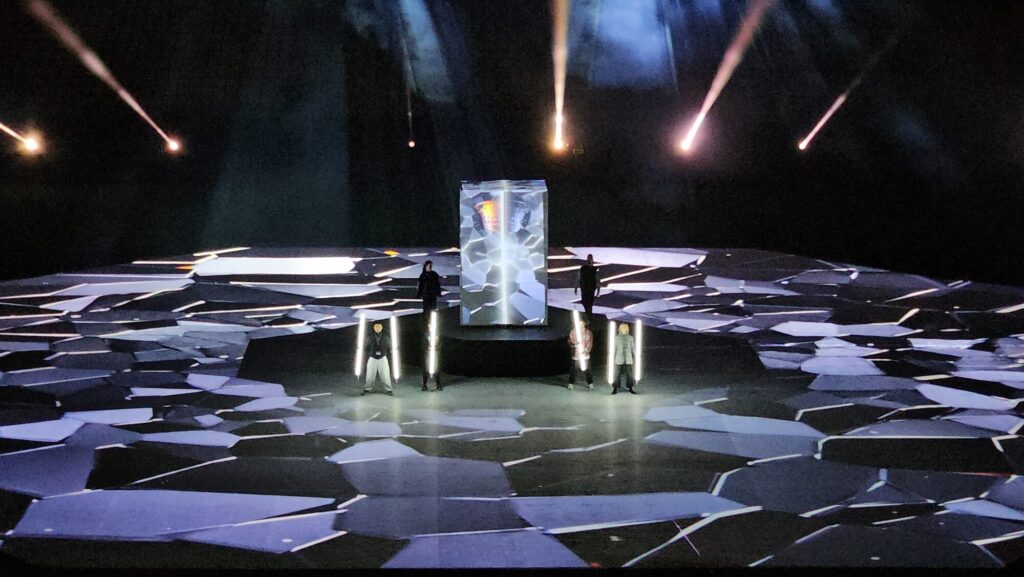
Scenic Design Builds the World Around the Performance in GCC & Middle East
A performance needs a world around it.
The stage, scenic objects, structures, textures, entrances, levels, props, lighting surfaces, and visual details all shape how the audience understands the live moment. Even before a performer speaks, sings, dances, or moves, the scenic environment has already created a message.
Scenic design is not simply decoration.
It is the physical language of the event.
In GCC & Middle East, live events are becoming more immersive and more visually ambitious. A flat stage with basic lights is often not enough for a brand launch, ceremony, luxury event, theatrical production, gala evening, or cultural program. The audience expects an environment that supports the story and makes the performance feel complete.
For customized live shows, scenic design helps define where the performance lives. It gives the event a shape, a mood, and a visual identity. It helps performers look more connected to the space and helps the audience feel that the show belongs to the occasion.
Soul Kulture creates scenic live event experiences across the GCC & Middle East, helping events in GCC & Middle East build visual worlds through scenic design, stage direction, atmosphere, performance movement, lighting, and show storytelling.
A strong scenic design does not only make a stage look better.
It makes the performance feel more meaningful.
Scenic Design Gives the Event a Physical Identity
Every event needs a visual identity that can be felt in the room.
Brand colors, lighting, costumes, screens, and graphics can support this identity, but scenic design gives it physical presence. It creates shapes and structures that guests can see, move around, photograph, and remember.
In GCC & Middle East, scenic design can help events stand out in venues that may otherwise feel familiar. A hotel ballroom, outdoor site, festival ground, or temporary structure can feel completely different when scenic elements are designed with purpose.
Scenic design can include:
- Stage structures
- Central scenic objects
- Entrance frames
- Backdrops
- Platforms
- Moving pieces
- Textured surfaces
- Sculptural props
- Scenic pathways
- Reveal structures
- Performer levels
- Lighting surfaces
- Brand-inspired forms
For luxury brand events, scenic design should feel refined and intentional. It does not always need to be large. A carefully designed object, stage frame, or architectural element can create more elegance than excessive decoration.
Physical identity helps the audience understand the event world.
Objects Can Give the Performance Meaning
A scenic object can carry emotional value.
It may represent a brand idea, cultural symbol, product concept, ceremony message, destination reference, or theatrical world. When performers interact with scenic objects, the stage becomes more than a surface. It becomes part of the performance.
In GCC & Middle East, scenic objects can work well for opening ceremonies, product launches, private shows, cultural events, gala dinners, and immersive productions. They give the audience something clear to focus on.
A scenic object can be used to:
- Begin the show
- Frame a performer
- Hide a reveal
- Support a product
- Symbolize an idea
- Create a final image
- Guide movement
- Add depth
- Connect scenes
- Support photography
For brand and product launch entertainment, scenic objects can be especially useful. The product or brand message may need a physical frame that makes the reveal feel important.
A scenic object should not simply sit on stage.
It should have a role.
Scale Needs Careful Control
Scenic design has to match the scale of the venue and the event.
A small scenic piece may disappear in a large venue. A large structure may overwhelm an intimate dinner. A heavy scenic design may compete with performers. A minimal design may feel too weak for a major ceremony.
In GCC & Middle East, event venues vary widely. Scenic design for a hotel ballroom is different from scenic design for an outdoor destination, stadium, cultural site, or private luxury space. The size, height, audience distance, camera angles, and lighting conditions all matter.
Scale should consider:
- Venue size
- Audience distance
- Stage height
- Ceiling height
- Performer movement
- Lighting positions
- Screen integration
- Camera coverage
- Event tone
- Safety and logistics
For opening and closing ceremonies, scale is especially important because the ceremony must feel significant. Scenic design can help create that sense of importance, but it should not lose clarity.
The best scenic scale feels confident, not excessive.
Materials Affect the Mood
Scenic design is shaped by material.
Wood, metal, fabric, glass, mirrors, mesh, screens, stone textures, printed surfaces, translucent panels, reflective finishes, and sculptural materials all create different emotional effects. The material can make an event feel natural, futuristic, cultural, luxurious, warm, industrial, theatrical, or minimal.
In GCC & Middle East, material choices should connect to the event’s purpose. A luxury brand event may need refined finishes. A cultural ceremony may need textures that feel rooted and meaningful. A futuristic launch may need clean lines and reflective materials. A gala dinner may need warmth and softness.
Materials affect:
- Lighting response
- Camera appearance
- Guest perception
- Performer movement
- Atmosphere
- Durability
- Safety
- Visual depth
- Brand feeling
For cultural shows, materials can help support cultural atmosphere when chosen carefully. Texture and form can suggest heritage without relying only on literal decoration.
Material choice is part of storytelling.
Scenic Design Supports Performer Movement
A scenic design must work with performers.
A beautiful structure can weaken a performance if it blocks movement, limits entrances, creates unsafe paths, or hides sightlines. The stage world should support the body, not trap it.
In GCC & Middle East, this matters for dancers, actors, musicians, aerial performers, hosts, cultural performers, and large cast formations. Scenic design should be planned with movement from the beginning.
Performer-focused scenic design considers:
- Entrances and exits
- Movement paths
- Stage levels
- Safe surfaces
- Prop placement
- Visibility
- Costume clearance
- Group formations
- Cue timing
- Interaction with lighting
- Camera angles
For arts and performance festivals, scenic design can help performers activate different zones of the venue. It can create smaller stages, visual anchors, and performance environments across the space.
The scenic world should make performance stronger.
Light Completes the Scenic World
Scenic design and lighting need each other.
A structure may look flat without light. A textured wall may need side lighting to reveal depth. A translucent panel may need backlight. A reflective object may need careful control. A scenic pathway may need glow to guide attention.
In GCC & Middle East, lighting helps scenic design feel alive. It can change the mood of the same structure throughout the event. A scenic element may feel soft during arrival, dramatic during a reveal, and warm during closing.
Lighting can help scenic design:
- Create depth
- Reveal texture
- Hide or show objects
- Build suspense
- Support performer entrances
- Frame a product
- Shape mood
- Create final images
- Support photography
For interactive and immersive experiences, scenic design and lighting work together to make the audience feel surrounded by the event world. The space becomes more than a venue. It becomes an environment.
A scenic object is never finished until it is lit.
Scenic Design Can Support Brand Worlds
Brands often need more than a logo on a screen.
They need an environment that reflects their personality. Scenic design can help build that environment through form, material, color, spatial layout, and reveal structure.
In GCC & Middle East, brand events often need a strong live identity that works in person and on camera. Scenic design gives the brand world a physical presence.
A brand scenic design can express:
- Innovation
- Elegance
- Energy
- Heritage
- Luxury
- Precision
- Warmth
- Movement
- Exclusivity
- Scale
For brand and product launch entertainment, scenic design can support the product story. It can hide, reveal, frame, elevate, or surround the product in a way that makes the launch feel more important.
A brand environment should feel designed, not decorated.
Practical Planning Protects the Creative Idea
Scenic design must also work practically.
A beautiful scenic concept needs safe construction, transport, installation, technical planning, venue approval, crew access, rehearsal time, storage, and breakdown planning. If these details are not handled, the creative idea can create problems on event day.
In GCC & Middle East, professional production matters because many events have tight schedules and high expectations. Scenic design should be ambitious, but it must also be buildable.
Practical planning includes:
- Venue measurements
- Build materials
- Transport logistics
- Installation time
- Safety checks
- Weight and stability
- Performer access
- Lighting and sound integration
- Fire safety
- Technical crew coordination
- Rehearsal access
- Removal plan
The audience should see beauty.
The production team should have structure.
Soul Kulture Designs Scenic Worlds Around the Event Story
Soul Kulture approaches scenic design as part of the full event world.
Before scenic elements are created, the story and purpose are defined. What should the audience feel when they enter? What physical forms support the concept? What objects or structures matter? How will performers move? What should lighting reveal? What should the final image look like?
This approach can include:
- Scenic concept development
- Stage structure direction
- Visual world design
- Scenic object planning
- Brand reveal structures
- Ceremony scenic symbols
- Performance pathways
- Material and texture direction
- Lighting coordination
- Performer movement planning
- Technical production planning
- Final image direction
In GCC & Middle East, this helps events feel more complete. The scenic design is not separate from the show. It supports the atmosphere, movement, message, and memory.
Soul Kulture considers how scenic elements affect the audience, performers, cameras, and full event journey.
The World Around the Performance Matters
A performance becomes stronger when the world around it is designed.
The stage, scenic objects, structures, textures, entrances, and lighting surfaces all help the audience understand the event’s identity. Scenic design gives the show a physical language. It makes the performance feel grounded in a place, a story, and a visual world.
For events in GCC & Middle East, scenic design can make live entertainment feel more polished, more immersive, and more memorable. It gives the audience something to enter visually and emotionally.
The stage is not only where the performance happens.
It is part of what the performance means.
Frequently Asked Questions
What is scenic design for live events?
Scenic design is the creation of the physical visual environment around a live event, including stage structures, objects, textures, backdrops, platforms, and scenic details.
Why is scenic design important?
It gives the event a physical identity, supports performance, strengthens atmosphere, and helps the audience understand the event world.
What events need scenic design?
Brand launches, ceremonies, gala dinners, festivals, cultural events, theatrical productions, and customized live shows can all use scenic design.
How does scenic design support performers?
It creates entrances, movement paths, levels, scenic objects, and visual frames that help performers move safely and effectively.
Can scenic design support a product reveal?
Yes. Scenic design can hide, frame, elevate, or reveal a product in a way that makes the launch moment stronger.
How does Soul Kulture approach scenic design?
Soul Kulture designs scenic worlds around event story, performer movement, atmosphere, materials, lighting, technical planning, and final visual memory.
Build a complete visual world around your live performance with scenic design shaped around story, movement, atmosphere, and impact.
Explore Customized Live ShowsYou May Also Like
![Six Flags theme park [image_alt_tag_value]](https://soulkultureevents.com/wp-content/uploads/2026/03/IMG-20251114-WA0178-768x1024.jpg)
![Qatar FIFA Fan Zone Opening Ceremony [image_alt_tag_value]](https://soulkultureevents.com/wp-content/uploads/2026/03/ABHA-opening-1024x576.jpeg)