Costume Quick Changes Behind Live Stage Productions in GCC & Middle East
A performer leaves the stage wearing one costume and returns moments later looking completely different.
The audience sees a seamless transformation.
Behind the scenes, however, that brief moment may involve careful preparation, coordinated assistance, detailed costume planning, and precise timing.
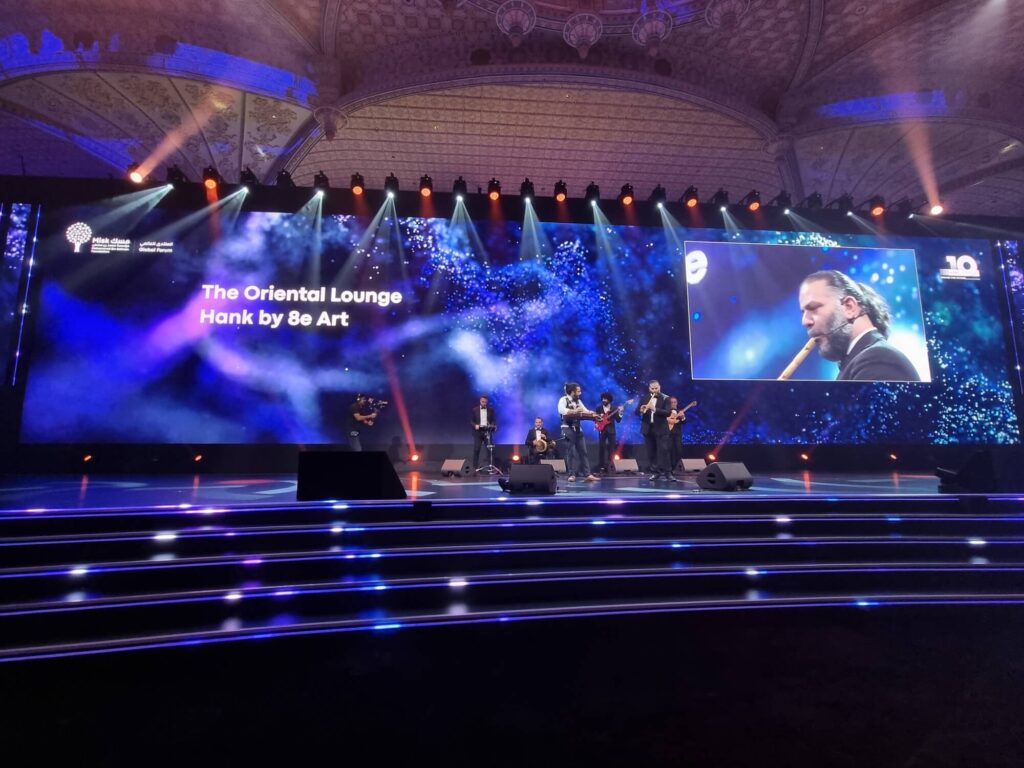
Costume quick changes are an important part of many live productions, particularly theatrical shows, opening ceremonies, dance performances, and large-scale entertainment experiences.
They allow performers to move between different characters, visual identities, and performance styles without interrupting the rhythm of the show.
For event producers in GCC & Middle East, understanding how these transformations work reveals just how much planning happens beyond the audience’s view.
Why Costume Changes Matter in Live Productions
Costumes communicate more than what a performer is wearing.
They help establish character, introduce different performance chapters, and reinforce the visual identity of a production.
A change in costume can signal a shift in time, location, mood, or artistic direction.
In a theatrical performance, it may represent a completely different character.
In a dance production, it can introduce a new musical section or visual theme.
For an opening ceremony, it may help distinguish different artistic sequences within one larger narrative.
These transformations can therefore contribute directly to the storytelling.
The Planning Begins With the Performance Schedule
A quick change cannot be planned independently of the performance.
The wardrobe team needs to understand exactly when each performer enters and exits, how much time is available between appearances, and which costume is required for each sequence.
This information becomes part of the production schedule.
The team may map out:
- Every costume worn by each performer
- The order of costume changes
- The time available between appearances
- Required accessories and footwear
- Assistance needed backstage
- Any special costume components
- Performer movement between changing areas and stage entrances
This information helps identify potential problems before rehearsals begin.
A costume that takes several minutes to put on may not be appropriate for a transition lasting only a few seconds.
Design Costumes With Quick Changes in Mind
Costume design should consider how easily a garment can be removed and replaced.
Traditional fastening methods may not always be suitable for rapid backstage transitions.
Depending on the production, costume designers may consider:
- Concealed fastening systems
- Easy-access closures
- Layered garments
- Pre-assembled costume sections
- Lightweight materials
- Secure accessory attachments
- Comfortable footwear changes
These decisions should never compromise the intended appearance of the costume.
The objective is to balance visual quality with practical performance requirements.
A beautifully designed costume must also allow the performer to move comfortably and change safely.
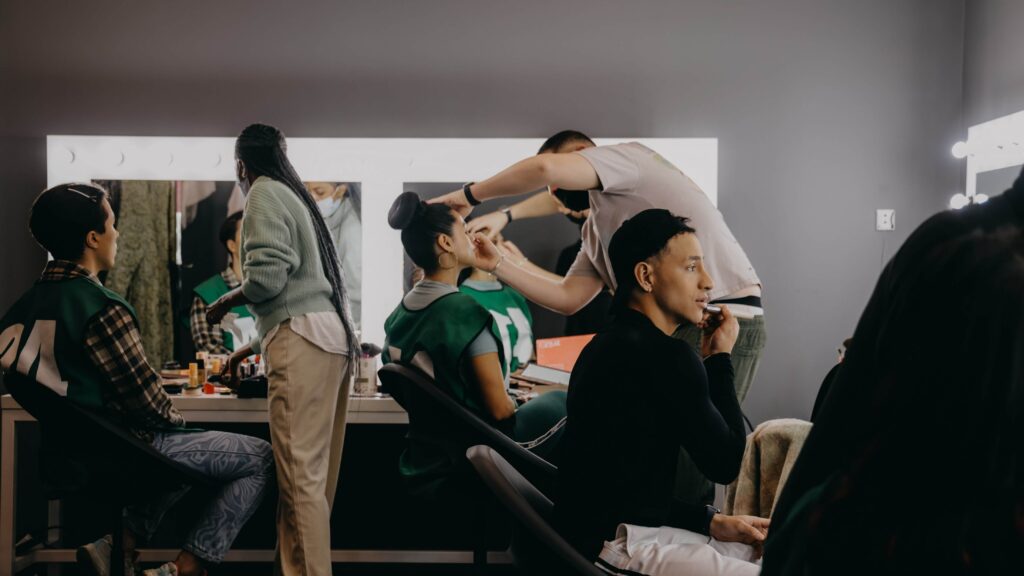
Organizing the Backstage Costume Area
The backstage environment is essential to a successful quick change.
Costumes should be arranged in a way that allows performers and wardrobe specialists to locate everything immediately.
Each costume needs a designated position.
Accessories, footwear, and additional components should be organized alongside the relevant outfit.
For productions involving several performers, individual preparation areas can reduce confusion.
A practical backstage arrangement may include:
- Dedicated garment racks
- Clearly identified costume stations
- Separate accessory storage
- Prepared footwear
- Suitable lighting
- Adequate changing space
- Clear movement pathways
The organization should reflect the actual running order of the show.
When every item has a designated place, the wardrobe team can work more efficiently under pressure.
The Wardrobe Team Behind Every Transformation
Quick changes are rarely a solo task.
Wardrobe specialists help prepare garments, assist performers, manage accessories, and ensure that each costume is ready for the next appearance.
Their responsibilities may include checking fastenings, preparing layered outfits, organizing costume components, and addressing unexpected issues.
They also need to communicate effectively with stage management and the wider production team.
A wardrobe specialist may be working against a very short transition window while other technical and performance activities continue around them.
This makes coordination essential.
Rehearsals Are Just as Important as Costume Design
A costume change that looks simple on paper may become complicated in practice.
Performers need to understand the sequence.
Wardrobe specialists need to know where to stand and how to assist.
Stage management needs to coordinate the timing with the rest of the production.
Rehearsals help identify:
- Difficult fastening systems
- Insufficient changing time
- Missing costume components
- Uncomfortable garment movement
- Congested backstage pathways
- Timing conflicts with stage entrances
Practising the entire sequence allows the team to refine the process before the live performance.
For particularly demanding productions, costume changes should be rehearsed repeatedly under conditions that resemble the actual show.
Communication Keeps Everything Moving
A successful quick change depends on communication between several departments.
The performer needs to know when to exit.
The wardrobe team needs to be ready.
Stage management needs to confirm the next entrance.
Technical teams may also need to coordinate lighting, sound, or scenic transitions that provide time for the transformation.
Clear cues can help everyone understand when each step should happen.
This is especially important when a production involves multiple performers changing simultaneously.
A missed cue can affect the timing of the entire sequence.
Managing Unexpected Costume Problems
Live productions rarely operate without challenges.
A fastening may become damaged.
An accessory may be misplaced.
A garment may require an adjustment after a rehearsal.
The wardrobe team should therefore prepare for possible problems.
Useful preparations include keeping essential repair materials available, checking costumes before each performance, and identifying alternative solutions for critical costume components.
The team should also inspect garments between appearances.
This helps maintain consistency and ensures that performers are ready for the next sequence.
Costumes Must Support Movement and Performance
A costume should never look impressive at the expense of the performer.
Dancers need garments that allow movement.
Actors may require costumes that support physical interaction and character development.
Musicians and specialty performers may have specific requirements related to instruments or performance equipment.
For productions in GCC & Middle East, costume design may also incorporate cultural references, traditional materials, or contemporary interpretations of regional dress.
These elements should be researched and handled thoughtfully.
The creative direction must connect the visual design with the movement and purpose of the performance.
Lighting Can Change How Costumes Appear
Costume materials behave differently under stage lighting.
Certain fabrics reflect light more strongly, while others absorb it.
Sequins, metallic finishes, and reflective accessories can create dramatic visual effects.
However, these elements should be tested under the actual lighting conditions.
A costume that looks beautiful in a design studio may appear completely different on stage.
Wardrobe and lighting teams should therefore collaborate during rehearsals to evaluate colors, textures, and reflective surfaces.
This helps ensure that the costume supports the overall visual composition.
Quick Changes Are Part of the Creative Experience
The audience may never see the backstage preparation.
Yet the transformation can influence how the entire performance feels.
A seamless change allows the show to maintain its rhythm.
It can introduce a new visual chapter, create surprise, or support a dramatic reveal.
The best quick changes do not draw attention to the logistics behind them.
They make a complex process feel effortless.
The Details Behind a Seamless Performance
Costume quick changes demonstrate how much coordination is required to deliver a live production.
Design, wardrobe preparation, performer movement, rehearsals, and stage management must work together.
Every costume needs to be ready at the right time, in the right place, and in the correct condition.
At Soul Kulture, live entertainment is developed through the connection between artistic direction, performance, and production.
Because what audiences remember on stage often depends on the details they never see backstage.
Frequently Asked Questions
Frequently Asked Questions
What is a costume quick change in live theatre?
A costume quick change is a planned transformation in which a performer changes one or more costume elements within a short period between stage appearances.
Who is responsible for managing quick changes?
Wardrobe specialists and dressers generally prepare and assist with costume changes, coordinating with performers and stage management.
How do designers make costumes easier to change quickly?
They may use accessible fastenings, layered garments, lightweight materials, and pre-assembled costume components.
Why are quick-change rehearsals important?
Rehearsals help identify timing problems, difficult fastenings, missing components, and backstage coordination issues before the live performance.
How does stage lighting affect costume design?
Lighting can change how fabrics, colors, and reflective details appear, making technical testing an important part of costume preparation.
Every performance deserves thoughtful creative direction, from the first visual concept to the smallest backstage detail in GCC & Middle East.
Explore Customized Live ShowsYou May Also Like