
Curating an Arts and Performance Festival With One Creative Identity in Dubai
An arts and performance festival is built around variety.
Different artists may arrive with different disciplines, visual languages, technical needs and audiences.
A contemporary dance company may perform in the same program as a musical ensemble. A theatrical installation may sit beside a cultural performance. An international act may appear between locally developed work.
Variety is part of the value.
The creative challenge is making that variety feel like one festival rather than a collection of unrelated bookings.
For festivals in Dubai, artistic curation can create this connection without forcing every performer to look or sound the same.
Within across Dubai, Abu Dhabi and Sharjah, festival identity comes from the relationship between programming, spaces, transitions, visual language and the way each act is positioned inside the wider event.
Curation Begins With a Point of View
A festival needs an artistic perspective.
This does not necessarily mean one rigid theme.
It means understanding what the festival stands for.
The point of view might center on:
- Contemporary creativity
- Cultural exchange
- New performance language
- Heritage and reinterpretation
- Music and movement
- Experimental work
- Public art
This perspective becomes a filter.
It helps the curatorial team decide which performances belong.
Variety Needs Boundaries
A festival can contain many styles without accepting everything.
Curatorial boundaries create identity.
If every available act is added simply because it is strong on its own, the program may lack coherence.
A useful selection process asks:
- Does the work connect to the festival’s purpose?
- Does it add something different?
- Does it repeat another act?
- Is the scale appropriate?
- Does it fit the audience?
- Can it be presented properly in the available environment?
For arts and performance festivals, the program should feel broad but intentional.
Programming Needs Contrast
Putting similar performances back-to-back can reduce their impact.
Contrast gives each act a clearer identity.
A large ensemble may be followed by a solo work. A highly physical performance can be followed by a musical experience. A visually dense production may be balanced by something restrained.
The sequence becomes a form of composition.
Different Disciplines Need Different Conditions
A dance company needs appropriate flooring and space.
Musicians require sound infrastructure.
Theatre may need controlled lighting and backstage access.
Installation work may need longer viewing time.
Festival planning should respect these differences.
Trying to force every discipline into identical conditions can weaken the artistic work.
One Visual Identity Can Connect Multiple Stages
The performances do not need matching scenography.
The festival itself can provide visual continuity.
Shared elements may include:
- Lighting language
- Materials
- Architectural structures
- Signage
- Stage framing
- Color palette
- Transition spaces
This allows artists to retain individuality while still appearing inside one designed environment.
The Main Stage Should Not Define Everything
An arts festival can become overly centered on its largest stage.
That creates a hierarchy where every smaller experience feels secondary.
Instead, different spaces can have different purposes.
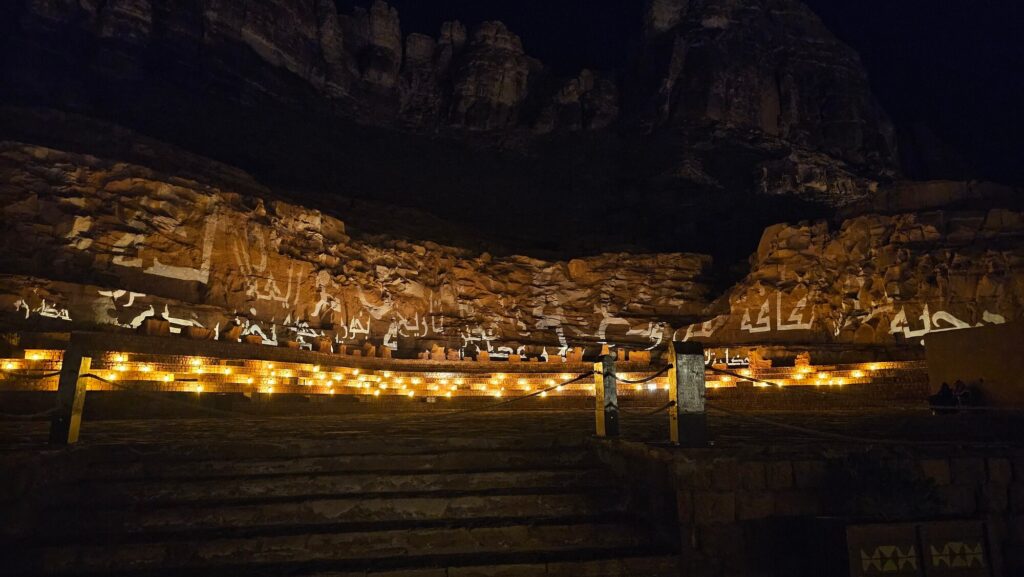
One venue may host large performance work. Another may focus on experimental pieces. A smaller space can create intimacy. An outdoor area may support site-responsive work.
The festival gains depth.
Site Selection Influences the Program
Programming cannot be separated from location.
A performance may require darkness. Another may work beautifully at sunset. A large theatrical show may need rigging. A cultural performance might benefit from an architectural setting.
The venue map can help shape the artistic program rather than simply receiving it afterward.
Time of Day Changes Performance
Daytime and nighttime festival experiences are different.
Daylight reveals physical materials and costume detail.
Night allows greater lighting control and projection.
A curatorial schedule can use those differences intentionally.
For example:
- Daytime begins with physical and acoustic work
- Sunset introduces larger visual transitions
- Evening expands into lighting, projection and headline performance
The environment evolves with the program.
International Artists Need Context
Inviting global performers can add artistic diversity.
But international performances need to understand the festival environment they are entering.
Technical riders must be reviewed. Cultural context should be communicated. Schedule and stage adaptations may be necessary.
A touring act should retain its identity while fitting comfortably into the wider festival.
Local Artists Need Equal Creative Respect
Local artists should not be treated as supporting content around international headliners.
A strong festival can position regional work with the same production discipline.
This means providing:
- Appropriate rehearsal
- Strong lighting
- Technical support
- Clear scheduling
- Professional stage conditions
The festival’s identity becomes stronger when local creative work is presented confidently.
Cultural Performance Needs Meaningful Placement
A cultural show should not automatically be scheduled simply because the festival takes place in the region.
The work needs a curatorial reason.
It might create a connection to place. It might open the program. It could provide a contemporary interpretation of heritage.
Placement gives the performance meaning within the broader schedule.
Music Can Connect the Festival Environment
Even when not every act is musical, sound can help create continuity.
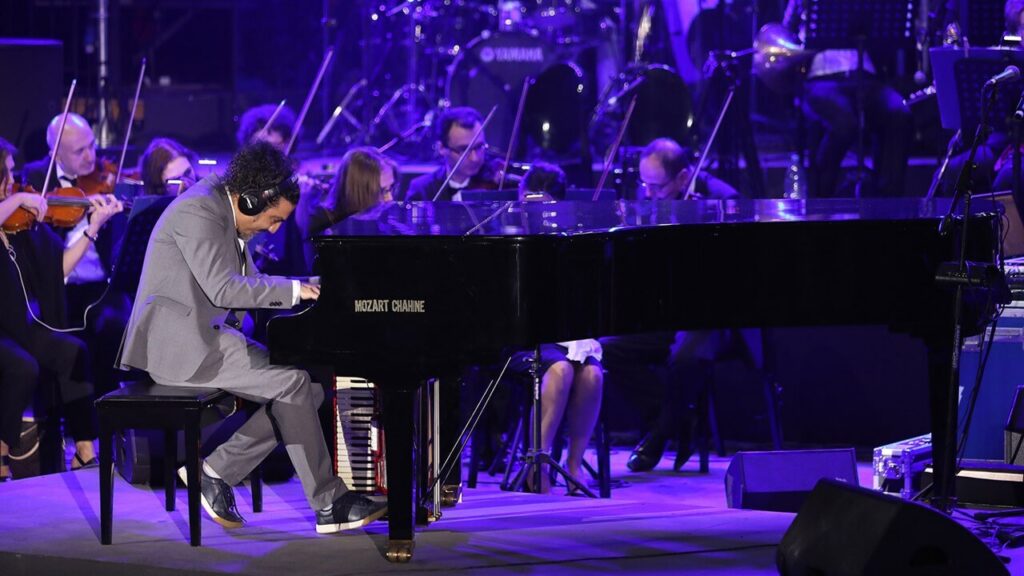
Ambient sound may shift between zones. Short musical cues can signal transitions. Live musicians can occupy spaces between major stages.
A musical production can also serve as a major anchor within the festival program.
Sound becomes part of the festival’s spatial identity.
Transitions Between Acts Need Design
A festival often contains technical resets.
One performer finishes. Equipment changes. Another act prepares.
If these transitions are ignored, the audience experiences repeated gaps.
The festival can use:
- Music
- Host direction
- Lighting
- Short artistic interventions
- Visual content
The technical reset still happens, but it does not become the only thing the audience sees.
Performance Length Should Vary
Not every festival act needs a standard 45-minute slot.
Some work may be stronger at:
- Five minutes
- Fifteen minutes
- Thirty minutes
- One hour
Duration should support the artistic form.
A concise piece can be more memorable than an extended version created only to fill a schedule.
Repetition Can Create Festival Signatures
A recurring artistic element can help unify the program.
This may be:
- One musical motif
- A repeated performer
- A lighting gesture
- A short transitional ritual
- A recurring visual form
The repetition becomes recognizable over time.
The audience begins to understand the festival’s language.
Public Spaces Need Different Artistic Thinking
Some festivals move beyond enclosed venues into plazas, streets or outdoor landscapes.
Performance in public space needs to consider:
- Audience circulation
- Sound spill
- Weather
- Distance
- Safety
- Visibility
The work may need to function for people who arrive halfway through.
That changes narrative structure.
Not Every Work Needs to Be Interactive
Arts festivals sometimes assume that audience participation automatically makes work more contemporary.
It does not.
Observation can be powerful.
A highly controlled performance can create deep engagement without asking anyone to participate.
The artistic format should decide the relationship.
Production Quality Creates Trust
When one stage is beautifully produced and another feels improvised, the festival identity becomes uneven.
Production standards should remain consistent even when artistic styles differ.
This includes:
- Sound quality
- Lighting
- Stage management
- Performer access
- Safety
- Schedule discipline
The audience may not consciously compare technical details.
They feel the consistency.
Artists Need Clear Communication
Festivals involve many independent teams.
Each artist needs accurate information about:
- Schedule
- Venue
- Technical equipment
- Rehearsal
- Dressing rooms
- Access
- Performance duration
- Contact points
Good communication protects creative quality.
Rehearsals Need Prioritization
Not every act can receive unlimited stage time.
The festival needs a rehearsal plan.
More complex productions may require longer technical sessions.
Simpler performances may need only spacing and sound checks.
Scheduling should reflect real need rather than treating every act identically.
Technical Riders Need One Central Review
If every artist communicates separately with different production teams, contradictions can appear.
One central technical review helps identify:
- Shared equipment
- Conflicting requirements
- Changeover times
- Stage limitations
- Additional rentals
This allows the festival to plan infrastructure efficiently.
The Festival Needs Emotional Rhythm
A program can be technically perfect and emotionally flat.
Curatorial pacing should consider the audience’s energy over several hours.
A useful sequence may move between:
- Discovery
- Intensity
- Reflection
- Surprise
- Celebration
Not every performance needs to become the headline moment.
Hierarchy protects attention.
Headliners Need Context Too
A well-known performer can attract audiences.
The headline act should still belong to the festival.
The transition into it can reference earlier themes. The stage visual language can retain festival identity.
The performance can remain itself without feeling disconnected from everything that preceded it.
Documentation Should Respect the Art
Festivals generate significant photography and video.
Camera positions should be planned without interfering with performers or audiences.
Different disciplines also require different documentation.
Dance needs full-body framing. Installation work needs spatial coverage. Music may need close detail.
Documentation becomes part of how the festival lives beyond the event.
Dubai Offers a Distinct Festival Context
Arts programming in Dubai can bring regional and international creative languages into the same environment.
That creates opportunities for exchange without requiring everything to be blended into one style.
The festival can present difference confidently.
The curatorial identity creates the connection.
One Festival Does Not Mean One Look
Coherence is not sameness.
Artists should not be forced into identical costumes, identical staging or identical visual content.
The festival’s role is to build the framework.
Inside that framework, each act should remain recognizable.
This creates a richer audience experience.
The Final Program Should Feel Edited
Strong curation is partly about what is removed.
A festival may have access to dozens of good acts.
Not all of them belong in the same edition.
The final program should feel deliberate.
Every performance should contribute something.
If two acts serve the same purpose, one may be enough.
One Creative Identity in Dubai
The audience may experience dance, music, theatre, cultural work and international performance in a single day.
They do not need those forms to become identical.
They need to feel that someone considered why each one is there.
That is the purpose of artistic curation.
The festival creates the framework. The artists create the individual worlds. The audience experiences both.
When programming, production and visual direction work together, variety becomes an advantage rather than a source of fragmentation.
The festival begins to feel like one creative identity expressed through many voices.
Frequently Asked Questions
What is an arts and performance festival?
It is a festival built around live artistic disciplines such as theatre, dance, music, cultural performance, multidisciplinary work and installations.
How can different performance styles feel part of one festival?
A shared curatorial point of view, visual identity, production standard and transition language can connect different acts without making them look identical.
Should every artist perform on the main stage?
No. Different stages and spaces can support different scales, disciplines and audience relationships.
How should international performers be integrated?
Their artistic identity should be preserved while technical, cultural and scheduling requirements are aligned with the festival environment.
Why is curatorial pacing important?
A varied sequence of high-energy, intimate, musical and reflective experiences helps maintain audience attention across a longer festival program.
Build an arts festival where different performance voices come together through one clear creative and curatorial direction.
Explore Arts & Performance FestivalsYou May Also Like
![Billboard Event [image_alt_tag_value]](https://soulkultureevents.com/wp-content/uploads/2026/03/20241211_215104-1024x577.jpg)