When Technology Disappears in GCC & Middle East
Technology can make an event feel extraordinary.
It can move light across a room, surround an audience with sound, animate surfaces, support performers, reveal products, synchronize music, connect screens, and shape atmosphere. But when technology becomes too visible, too loud, or too complicated, it can pull attention away from the experience.
The best event technology disappears.
Guests should not feel that they are watching equipment work. They should feel the atmosphere, emotion, movement, and story created by that technology. Screens, projectors, lighting fixtures, speakers, control systems, microphones, and cueing tools should support the live experience without becoming the main focus.
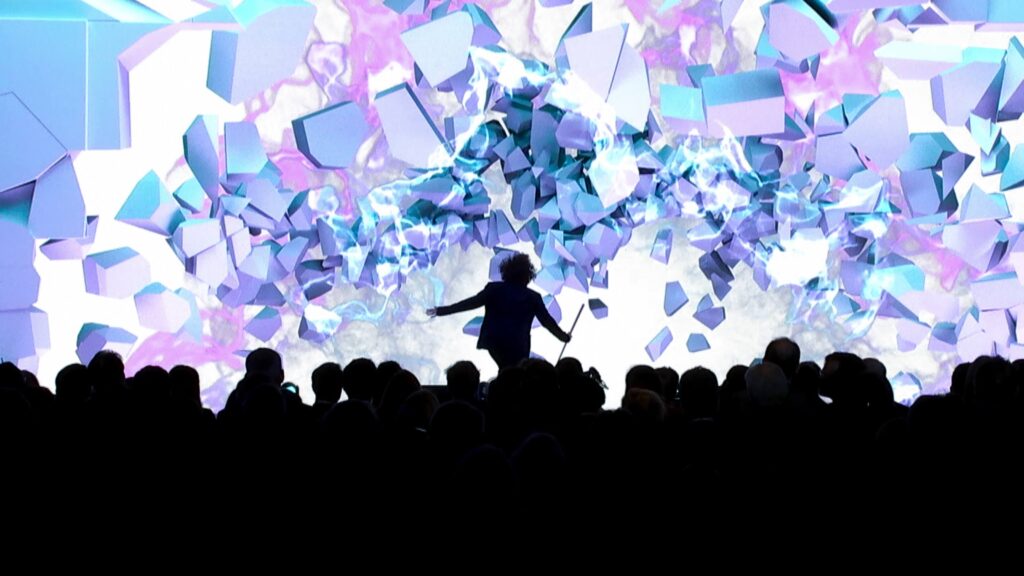
In GCC & Middle East, events are becoming more immersive and technically ambitious. Clients want cinematic visuals, seamless transitions, powerful sound, mapped surfaces, interactive spaces, and controlled live cues. But audiences still want the experience to feel human and emotionally clear.
For interactive and immersive experiences, technology should help guests feel surrounded by the event world. It should not feel like a technical demonstration. It should feel natural to the story.
Soul Kulture creates technology-supported live experiences across the GCC & Middle East, helping events in GCC & Middle East shape atmosphere, immersion, performance, and visual storytelling through seamless technical direction.
When technology disappears, the experience becomes stronger.
Technology Should Serve the Moment
Every technical element should have a purpose.
A screen should not appear only because a screen is available. Lighting should not move only because it can. Projection should not cover a surface only to fill space. Sound should not become loud only to feel impressive. Technology should support the emotion of the moment.
In GCC & Middle East, audiences can quickly feel when technology is used without direction. It may look expensive, but it does not always feel meaningful. A simpler technical choice with strong purpose can create more impact than a complex setup with no emotional clarity.
Technology can serve the moment by:
- Guiding attention
- Creating atmosphere
- Supporting performance
- Building anticipation
- Strengthening reveals
- Connecting transitions
- Adding depth to the venue
- Enhancing music
- Creating spatial immersion
- Supporting content capture
For customized live shows, technology should be built into the concept from the beginning. It should not be added later as decoration.
The question is not what the technology can do.
The question is what the moment needs.
Screens Need Visual Discipline
Screens are common in live events, but they can easily dominate the room.
Large LED walls, projection surfaces, side screens, presentation displays, and digital backdrops can support an event beautifully when they are used with discipline. But if the content is too busy, too bright, too branded, or disconnected from the live performance, the screen can weaken the experience.
In GCC & Middle East, screen content should be designed with the room in mind. It should support the event tone, not compete with speakers or performers.
Screen discipline includes:
- Clear visual hierarchy
- Controlled motion
- Brand consistency
- Proper brightness
- Readable text
- Strong timing
- Minimal clutter
- Performance alignment
- Camera awareness
- Emotional pacing
For brand and product launch entertainment, screens can prepare the reveal, show product details, or create a brand world. But the screen should not become more important than the product itself.
Digital content should support the live moment.
Not replace it.
Sound Should Feel Like Space
Sound is not only something guests hear.
It changes how they feel inside the room.
A well-designed sound environment can make a venue feel warmer, larger, more intimate, more cinematic, or more energetic. Poor sound can make even a beautiful event feel uncomfortable. If music is too loud, speeches are unclear, or sound cues are late, the audience disconnects.
In GCC & Middle East, sound quality is essential for luxury events, ceremonies, conferences, launches, festivals, and immersive productions. Guests may forgive small visual issues, but bad sound affects the whole experience.
Sound direction should consider:
- Speech clarity
- Music balance
- Venue acoustics
- Speaker placement
- Live musician needs
- Sound cue timing
- Volume changes
- Audience comfort
- Transition music
- Surround atmosphere
For musical productions, sound is central to the experience. Live musicians, recorded tracks, vocals, and ambient sound should feel balanced and emotionally aligned.
Good sound does not shout for attention.
It holds the room together.
Lighting Should Feel Motivated
Lighting can reveal, hide, focus, soften, dramatize, and transform a space.
But lighting should feel motivated by the event. Random movement, excessive color changes, or constant effects can make a production feel unfocused. The strongest lighting choices often feel natural because they match the emotional rhythm of the event.
In GCC & Middle East, lighting direction should support the audience journey. It should help guests understand when to listen, when to watch, when to celebrate, when to pause, and when to feel anticipation.
Lighting can support:
- Arrival atmosphere
- Dinner mood
- Speaker focus
- Performance energy
- Reveal timing
- Scenic depth
- Audience comfort
- Photography
- Closing emotion
For opening and closing ceremonies, lighting can carry symbolic meaning. It can make a ceremony feel grand, intimate, respectful, or celebratory depending on how it is directed.
Lighting should not feel like a set of effects.
It should feel like the event is breathing.
Projection Needs to Belong to the Surface
Projection can make a venue feel alive, but it needs to belong to the surface.
A projection mapped onto a wall, object, stage, facade, or scenic structure should feel designed for that exact space. If it looks stretched, misaligned, too bright, or too generic, the audience feels the technology instead of the story.
In GCC & Middle East, projection design can support immersive rooms, cultural events, brand launches, ceremonies, and theatrical productions. It can create atmosphere without heavy physical scenery, but it requires precision.
Projection should consider:
- Surface texture
- Mapping alignment
- Brightness
- Ambient light
- Content resolution
- Motion speed
- Viewing angles
- Performer positions
- Camera capture
- Cue timing
For projection design, the surface becomes part of the event language. The projection should make the space feel meaningful, not simply decorated.
When projection belongs to the surface, the technology disappears.
Technical Cues Create Emotional Timing
Many emotional moments depend on technical cues.
A lighting fade, sound cue, screen change, performer entrance, microphone opening, product reveal, blackout, or final music hit can change how the audience feels. These cues must happen with precision.
In GCC & Middle East, technical cueing is especially important for high-level events with multiple suppliers and moving parts. The more complex the production, the more important cue control becomes.
Technical cues can support:
- Reveals
- Performance entrances
- Speech transitions
- Video moments
- Ceremony sequences
- Aerial acts
- Lighting shifts
- Sound builds
- Finales
- Audience movement
For opening and closing ceremonies, cues often carry the emotional structure of the event. If one cue fails, the meaning of the moment can weaken.
Technology disappears when timing feels natural.
Immersion Needs Restraint
Immersive experiences often use technology to surround the audience.
Projection, sound, lighting, sensors, screens, spatial audio, scenic elements, and performer cues can help create a complete world. But immersion does not mean filling every surface with movement or every second with sound.
In GCC & Middle East, immersive events should feel layered, not overloaded. Guests need moments of focus, quiet, discovery, and emotional clarity. Too much technology can make the experience tiring.
Immersion can be strengthened through restraint:
- One clear focal point
- Soft sound layers
- Controlled lighting
- Slow projection motion
- Clear pathways
- Balanced brightness
- Human performance
- Meaningful transitions
- Spaces to pause
For interactive and immersive experiences, technology should support the feeling of being inside the event world. It should not overwhelm the guest.
A space feels immersive when every detail belongs.
The Human Moment Still Matters
Technology should never remove the human feeling of an event.
A live performer, host, musician, speaker, or guest moment can make technology feel warmer and more meaningful. The human element gives emotion to the technical environment.
In GCC & Middle East, the strongest events often combine technical precision with live presence. Screens and lights create atmosphere, but people create connection. Technology should frame the human moment, not replace it.
This matters for:
- Live performances
- Ceremony speeches
- Product reveals
- Gala dinners
- Brand experiences
- Cultural moments
- Hospitality settings
- Immersive rooms
For corporate and luxury event entertainment, this balance is important. Corporate and luxury audiences may appreciate technology, but they still respond to presence, warmth, and emotion.
The event should feel advanced without feeling cold.
Soul Kulture Designs Technology Around Experience
Soul Kulture approaches event technology through creative purpose and live direction.
Before technical elements are planned, the experience is defined. What should guests feel? What role should screens play? How should lighting shift? Where should sound come from? What surfaces can carry visuals? Which cues need precision? How can technology support performers, atmosphere, and memory?
This approach can include:
- Technical creative direction
- Lighting and sound atmosphere
- Projection planning
- Screen content direction
- Cue timing
- Immersive environment design
- Performance and tech integration
- Brand reveal support
- Ceremony technical flow
- Rehearsal coordination
- Show calling support
- Camera-conscious planning
In GCC & Middle East, this helps events feel seamless. The technical setup supports the experience without drawing unnecessary attention to itself.
Soul Kulture considers how every technical element affects the audience’s perception.
Technology Works Best When Guests Forget It Is There
The strongest event technology is not always the most obvious.
It is the technology that allows the moment to feel effortless. The lighting shifts at the right time. The sound feels balanced. The screens support the story. The projection belongs to the space. The cue lands. The audience stays inside the experience.
For events in GCC & Middle East, seamless technology can make live entertainment feel more immersive, more polished, and more memorable. It helps the event feel controlled without feeling mechanical.
When technology disappears, the story becomes visible.
The audience does not remember the equipment.
They remember the feeling.
Frequently Asked Questions
What does seamless event technology mean?
It means technical elements such as lighting, sound, projection, screens, and cues support the experience smoothly without distracting the audience.
Why should technology feel invisible in live events?
When technology feels invisible, guests focus on the atmosphere, performance, story, and emotion instead of the equipment.
What technical elements can support immersive events?
Lighting, sound, projection, screens, spatial audio, cueing systems, scenic surfaces, and live performance integration can all support immersion.
Can technology work for luxury events?
Yes. Technology can create refined atmosphere, elegant reveals, and polished visual environments when used with restraint and purpose.
Why are technical cues important?
Cues control timing for music, lighting, screens, performances, speeches, reveals, and transitions, which affects the emotional flow of the event.
How does Soul Kulture approach event technology?
Soul Kulture designs technology around event purpose, atmosphere, performance, visual storytelling, cue timing, and audience experience.
Create a seamless live experience where technology supports the atmosphere, story, and emotion without overpowering the moment.
Explore Interactive & Immersive ExperiencesYou May Also Like
![MSC Naming Ceremony [image_alt_tag_value]](https://soulkultureevents.com/wp-content/uploads/2026/03/DSC_4609-1024x683.jpg)