Arts and Performance Festivals Turn Spaces Into Creative Journeys in GCC & Middle East
An arts and performance festival should not feel like a schedule of acts placed inside a venue.
It should feel like a creative journey.
The audience should move through the space with a sense of discovery. They should feel that every area has a purpose, every performance adds atmosphere, and every transition helps shape the festival’s identity. A strong arts festival is not only about what happens on stage. It is about what happens around the audience as they arrive, explore, pause, watch, react, and remember.
In GCC & Middle East, audiences are becoming more open to experiences that combine live performance, visual art, sound, movement, atmosphere, and interaction. They want festivals that feel curated, not crowded. They want creative programming that feels alive, not random. They want moments that give them something to feel, photograph, discuss, and carry with them after the event ends.
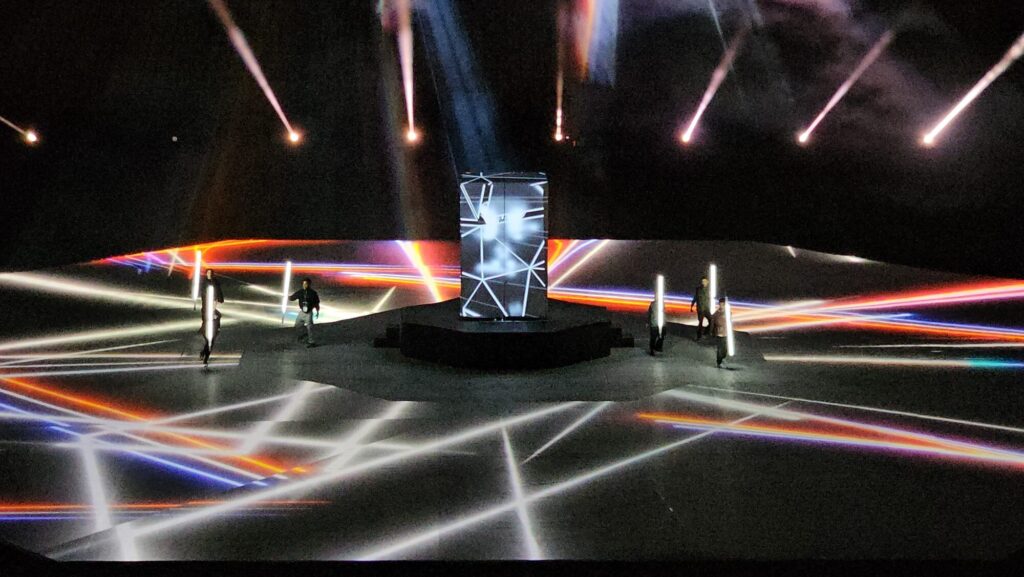
For arts and performance festivals, the goal is to turn the event space into a living creative environment. The performances should not feel isolated. They should connect through rhythm, energy, visual direction, and audience movement.
Soul Kulture creates arts and performance festival entertainment across the GCC & Middle East, helping festivals in GCC & Middle East become immersive creative journeys shaped by live acts, spatial storytelling, atmosphere, and performance direction.
A strong arts and performance festival gives the audience more than entertainment. It gives them a world to enter.
The Program Is Only the Skeleton
A festival program is important, but it is not the full experience.
A list of performances can tell people what is happening, but it does not decide how the festival feels. The emotional value comes from how the program is connected. The order of performances, the movement between spaces, the atmosphere around each moment, and the way audiences are guided through the event all affect the final memory.
In GCC & Middle East, where festivals often need to feel visually strong and experience-led, programming alone is not enough. The festival needs a creative structure. It needs a rhythm that helps the audience understand when to explore, when to gather, when to pause, and when to focus.
A strong arts and performance festival considers:
- Where the audience enters
- What they see first
- How they move through the space
- Where performances appear
- Which moments create energy
- Which moments create reflection
- How the audience discovers new areas
- What final impression remains
When these questions are answered clearly, the festival becomes more than a sequence of acts.
It becomes an experience with shape.
The Space Should Invite Discovery
An arts and performance festival should make people curious.
The space should not reveal everything at once. It should encourage guests to move, explore, and discover moments gradually. This gives the experience depth and makes the audience feel more involved.
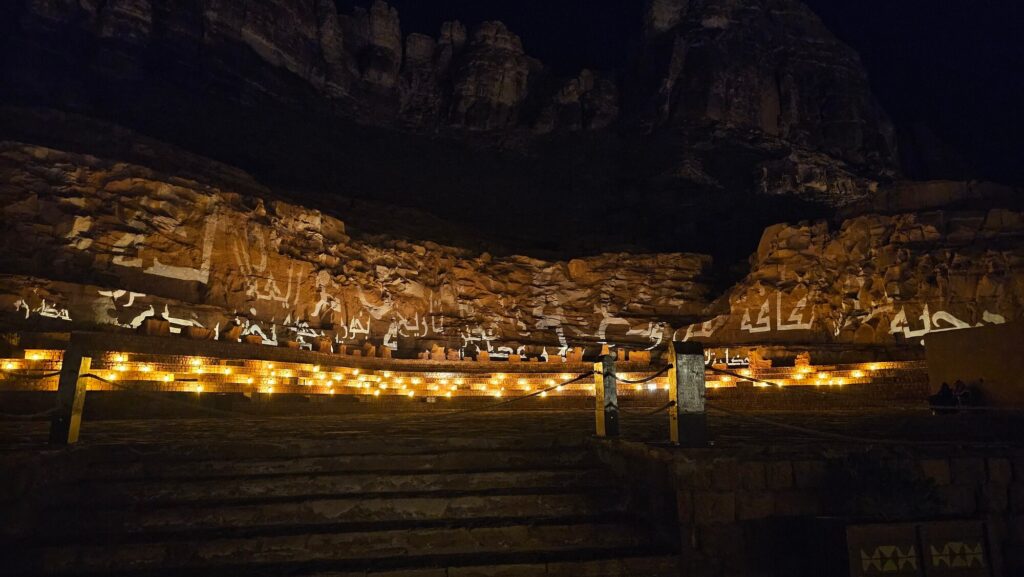
In GCC & Middle East, this can be especially effective in outdoor venues, cultural districts, galleries, public spaces, hotel grounds, destination settings, and large festival environments. A festival space should not feel empty between performances. It should carry atmosphere throughout the audience journey.
Discovery can be created through:
- Roaming performers
- Small live scenes
- Sound-led pathways
- Visual installations
- Movement-based performances
- Artistic characters
- Hidden moments
- Light and projection details
- Performance corners
- Interactive encounters
For modern festival entertainment, this kind of spatial activation helps the event feel alive across the full venue. The audience does not only attend one central show. They move through layers of creative energy.
When the space invites discovery, guests stay engaged for longer. They do not simply wait for the next performance. They become part of the festival’s movement.
Performance Gives the Festival a Pulse
Visual design can create atmosphere, but performance gives that atmosphere life.
A performer moving through a crowd, a dancer appearing in an unexpected corner, a musician activating a quiet zone, or a theatrical act unfolding near the audience can change the energy of the entire space. Performance gives the festival a pulse because it happens in real time.
In GCC & Middle East, arts and performance festivals can use live performance to make creative programming feel more immediate and emotional. Instead of presenting art as something distant, performance brings it closer to the audience.
The role of performance can shift throughout the festival.
It can welcome guests. It can guide attention. It can create surprise. It can build energy before a major act. It can soften the mood after a high-energy moment. It can create an intimate pause in a busy environment.
A strong performance does not need to be large to be effective. Sometimes a quiet, focused moment can create more impact than a crowded stage. What matters is placement, timing, and emotional purpose.
Quiet Moments Matter Too
Not every part of an arts festival needs to be high-energy.
Some moments should give the audience space to absorb the experience. A quiet soundscape, a slow movement performance, a visual installation, or a small theatrical detail can create contrast and make the festival feel more refined.
In GCC & Middle East, audiences often respond well to festivals that balance energy with atmosphere. If every part of the event is loud, the experience can become tiring. If every part is too quiet, the festival can lose momentum. The strongest festivals understand how to move between intensity and pause.
Quiet moments help create:
- Emotional depth
- Audience focus
- A sense of contrast
- Stronger appreciation for major performances
- A more complete creative rhythm
- Space for reflection and discovery
This balance is important for interactive and immersive experiences as well. When audiences are moving through a creative environment, they need moments that invite them to slow down and moments that pull them forward.
A festival should not feel like one continuous noise.
It should feel like a composed journey.
Curation Creates Identity
An arts and performance festival needs a clear creative identity.
Without curation, the event can feel like unrelated acts placed in the same location. With curation, every element feels connected, even when the performances are different.
Curation is not only about selecting good artists. It is about understanding how each act supports the festival’s concept. A dance performance, visual installation, musical moment, theatrical scene, or roaming act should each contribute to the same overall world.
In GCC & Middle East, where festival audiences may include families, art lovers, VIP guests, public visitors, tourists, corporate partners, or cultural audiences, curation helps keep the experience clear. It gives the festival a point of view.
A curated festival considers:
- The emotional tone
- The audience profile
- The venue atmosphere
- The visual identity
- The order of performances
- The balance between movement and stillness
- The role of each act
- The final memory
Good curation makes variety feel intentional.
It allows different creative elements to exist together without making the festival feel scattered.
The Audience Needs Different Entry Points
Not every audience member experiences art in the same way.
Some people connect through music. Others connect through visual atmosphere, movement, interaction, storytelling, or surprise. A strong arts and performance festival gives the audience different ways to enter the experience.
In GCC & Middle East, this is important because events often attract mixed audiences. A festival may welcome local guests, international visitors, families, corporate guests, cultural audiences, and people who simply want an enjoyable experience. The programming should be creative without becoming inaccessible.
Different entry points can include:
- A performance that is easy to watch and enjoy
- A visual moment that invites people to take photos
- A quiet installation that encourages reflection
- A roaming act that creates surprise
- A musical moment that gathers the crowd
- An interactive scene that invites participation
- A closing performance that brings everyone together
The festival should feel open enough for people to enjoy without needing to understand every artistic reference.
Accessibility does not mean reducing creativity. It means designing the experience so the audience can connect emotionally.
The Festival Should Work Across the Whole Venue
Arts and performance festivals often fail when all attention is placed in one area.
If the main stage feels alive but the rest of the venue feels empty, the festival loses energy. The audience journey becomes uneven. Guests may enjoy one performance, then disconnect while moving through inactive spaces.
In GCC & Middle East, where festivals often take place across wide venues, outdoor areas, and multi-zone environments, the full space needs attention. Entrances, walkways, lounges, food areas, gathering points, and quiet corners can all carry creative value.
Entertainment can help connect the space through:
- Repeated visual motifs
- Roaming performers
- Music-led movement
- Pop-up performance moments
- Light and sound transitions
- Small artistic scenes
- Guided audience movement
- Venue-wide atmosphere
For music festival entertainment, this same principle helps keep crowd energy alive between main acts. For arts and performance festivals, it helps the event feel like one connected creative world.
The audience should feel that the festival continues wherever they move.
Production Detail Protects the Creative Experience
Creative ideas need production discipline.
An arts and performance festival may feel spontaneous to the audience, but behind the scenes it needs planning, timing, performer coordination, technical preparation, and audience flow management. Without structure, even strong ideas can feel confusing.
In GCC & Middle East, production detail matters because audiences can feel when a festival is well managed. They may not know the technical reasons, but they can sense when performances start smoothly, transitions feel natural, lighting supports the atmosphere, and the event moves without confusion.
Production detail includes:
- Performance schedules
- Cue planning
- Sound and lighting coordination
- Performer routes
- Audience flow
- Safety and access
- Technical rehearsals
- Stage timing
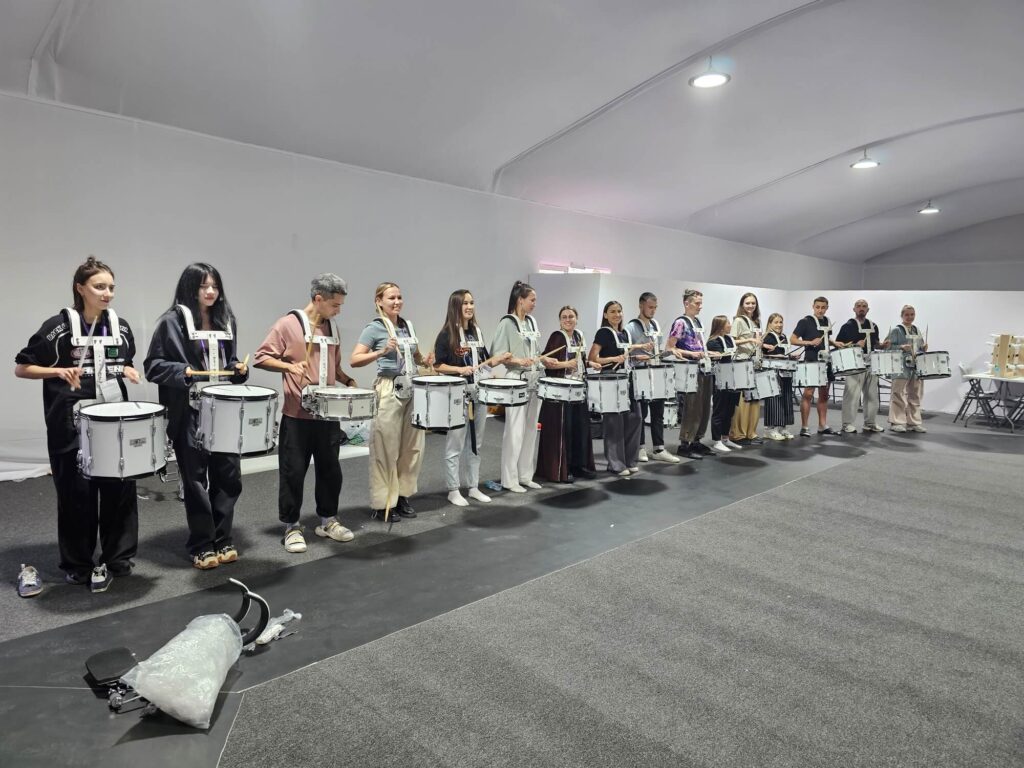
- Roaming act coordination
- Zone activation planning
- Closing sequence control
This structure allows the festival to feel creative without becoming chaotic.
The audience should feel freedom, but the production team needs control.
Soul Kulture Builds Arts Festivals Around Atmosphere and Movement
Soul Kulture approaches arts and performance festivals through concept, atmosphere, movement, and audience journey.
Before the acts are selected, the full experience is considered. What should the audience feel when they arrive? Where should they move first? Which areas need energy? Where should surprise happen? When should the experience slow down? How should the festival close?
This approach can include:
- Festival concept development
- Performance curation
- Spatial entertainment planning
- Roaming acts
- Visual performance moments
- Music and sound direction
- Audience journey design
- Interactive scenes
- Stage and venue flow
- Performer coordination
- Atmosphere planning
- Closing moment direction
In GCC & Middle East, this helps arts and performance festivals feel more complete. The audience does not only watch performances. They move through a creative environment designed around discovery, rhythm, and emotional connection.
Soul Kulture considers how each act contributes to the full experience. A performance should not only be impressive alone. It should support the festival’s identity and help shape how the audience remembers the event.
A Festival Should Feel Like a Creative World
The strongest arts and performance festivals do not only show creativity.
They let people walk through it.
For events in GCC & Middle East, this is what makes arts and performance festivals valuable. They can transform a venue into a world of sound, movement, visual expression, atmosphere, and live presence. They give audiences moments to discover, moments to share, and moments to remember.
A successful festival does not feel like a program placed in a space.
It feels like the space has been changed by the program.
The audience should leave with a feeling that they entered something alive, creative, and thoughtfully shaped. They should remember not only the performances, but the rhythm of moving through the event, the atmosphere around them, and the moments they discovered unexpectedly.
That is the power of arts and performance festivals.
They turn creative programming into a living experience.
Frequently Asked Questions
What are arts and performance festivals?
Arts and performance festivals are live events that combine performance, visual expression, music, movement, atmosphere, and audience discovery.
Why is curation important for arts and performance festivals?
Curation helps the festival feel connected, intentional, and emotionally clear instead of feeling like unrelated acts placed together.
Can arts and performance festivals include roaming acts?
Yes. Roaming performers, pop-up acts, interactive scenes, and small live moments can activate different areas of the venue.
How can a festival space feel more alive?
A festival space can feel more alive through performance zones, sound, lighting, movement, visual installations, and audience journey planning.
What types of events can use arts and performance festival entertainment?
Public festivals, cultural events, art programs, destination events, brand festivals, family events, and large-scale creative experiences can all use this format.
How does Soul Kulture approach arts and performance festivals?
Soul Kulture builds them around concept, performance curation, spatial planning, atmosphere, movement, and audience discovery.
Turn your festival space into a creative journey shaped by performance, atmosphere, and discovery.
Explore Arts & Performance FestivalsYou May Also Like