Why the Right Performer Matters More Than the Biggest Name in Dubai
A recognizable artist can attract attention.
But attention alone does not guarantee a successful live experience.
The strongest performances often come from artists whose abilities, presence, and creative identity align with the event’s purpose.
A large-scale cultural celebration requires a different artistic approach from a luxury gala, corporate conference, or immersive theatrical production.
For organizers in Dubai, performer selection should begin with understanding what the audience needs to experience.
The right talent is not always the most famous.
It is the talent that makes the concept work.
Start With the Event’s Purpose
Before selecting a performer, organizers should define the role entertainment will play.
Is the objective to celebrate a cultural identity?
Create an emotional opening?
Maintain energy during a public festival?
Or introduce a brand through an original performance?
Each objective requires different artistic qualities.
A technically exceptional dancer may be ideal for a theatrical sequence but less suited to informal audience interaction.
An internationally recognized musician may bring visibility but may not necessarily complement a carefully developed cultural concept.
A clear creative brief helps guide selection.
The artist should serve the event’s identity, not redefine it unintentionally.
Artistic Compatibility Creates Stronger Performances
A performer may have exceptional ability and still be unsuitable for a particular production.
Artistic compatibility depends on several factors:
- Performance style
- Stage presence
- Experience with the intended audience
- Adaptability to creative direction
- Ability to collaborate with other artists
- Understanding of timing and performance structure
For customized live productions, adaptability can be particularly important.
A bespoke production may require artists to learn original choreography, interact with changing stage environments, or contribute to an entirely new performance concept.
Selecting talent should therefore involve more than reviewing promotional footage.
The creative team must understand how the artist will function within the complete production.
Audience Expectations Influence Casting
Different audiences engage with entertainment in different ways.
A corporate audience may appreciate a focused performance that communicates a clear message.
A family festival may require approachable, dynamic entertainment with broad appeal.
A cultural event may place greater emphasis on artistic authenticity and representation.
In Dubai, casting decisions should also consider language, cultural expectations, audience diversity, and the nature of the venue.
International acts can create exciting opportunities for cultural exchange, but they should be integrated thoughtfully.
The aim is to create a performance that feels relevant rather than simply impressive.
This principle applies to both intimate productions and large-scale festival entertainment.
Ensemble Chemistry Is Often Overlooked
Some performances depend on the strength of the group rather than one individual artist.
Dancers, musicians, actors, and specialty performers must understand their relationship to each other.
A successful ensemble shares timing, movement, and creative intention.
This is particularly important for productions involving several artistic disciplines.
A musical sequence may include live instrumentalists, dancers, and theatrical performers.
Each element must contribute to the overall rhythm.
Without coordination, the result can feel fragmented even when every individual artist is highly skilled.
Rehearsals are therefore essential to building cohesion.
Performance Quality Depends on Production Conditions
The right performer also needs the right environment.
Lighting, sound, stage dimensions, technical rehearsal time, and performance schedules all influence the final result.
An artist who has not been given sufficient preparation time may struggle to deliver the intended performance.
Similarly, a technically complex act may require specialized stage arrangements that must be addressed early.
Effective production planning connects artistic ambition with practical execution.
The relationship between performers and production teams should be collaborative.
When both sides understand the creative objective, the performance can become more confident and cohesive.
Cultural Authenticity Should Guide Artistic Decisions
For heritage-inspired events, performer selection carries additional responsibility.
Traditional music, movement, and storytelling forms should be represented with appropriate knowledge and respect.
This may involve working with artists who understand the cultural background of the performance or consulting specialists during concept development.
The objective is not to reproduce tradition without creativity.
It is to develop contemporary artistic experiences without losing the meaning behind cultural expressions.
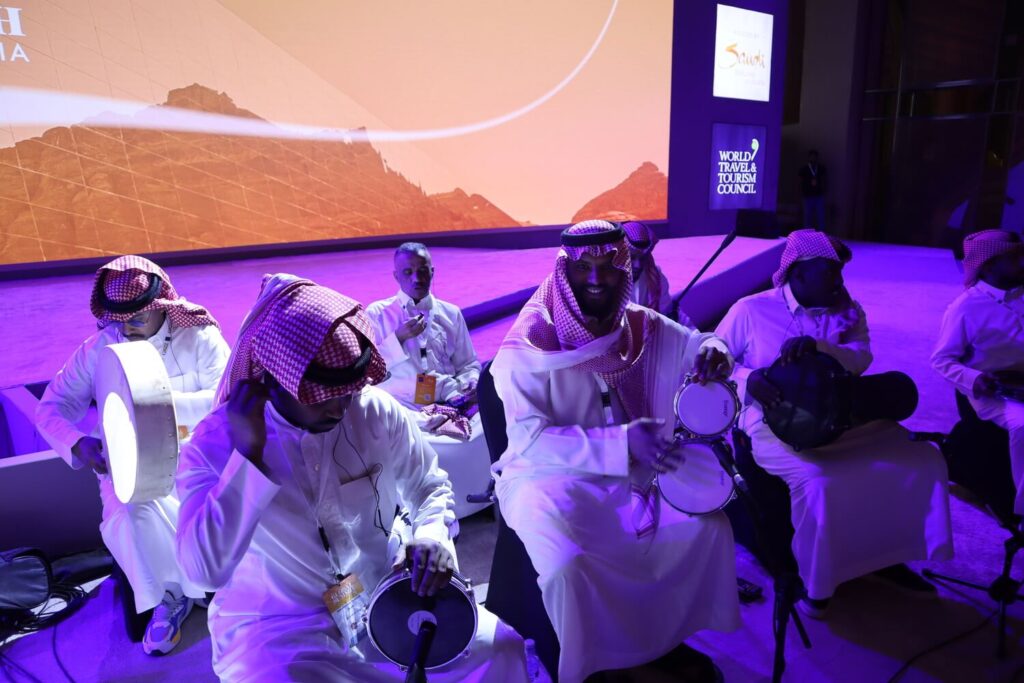
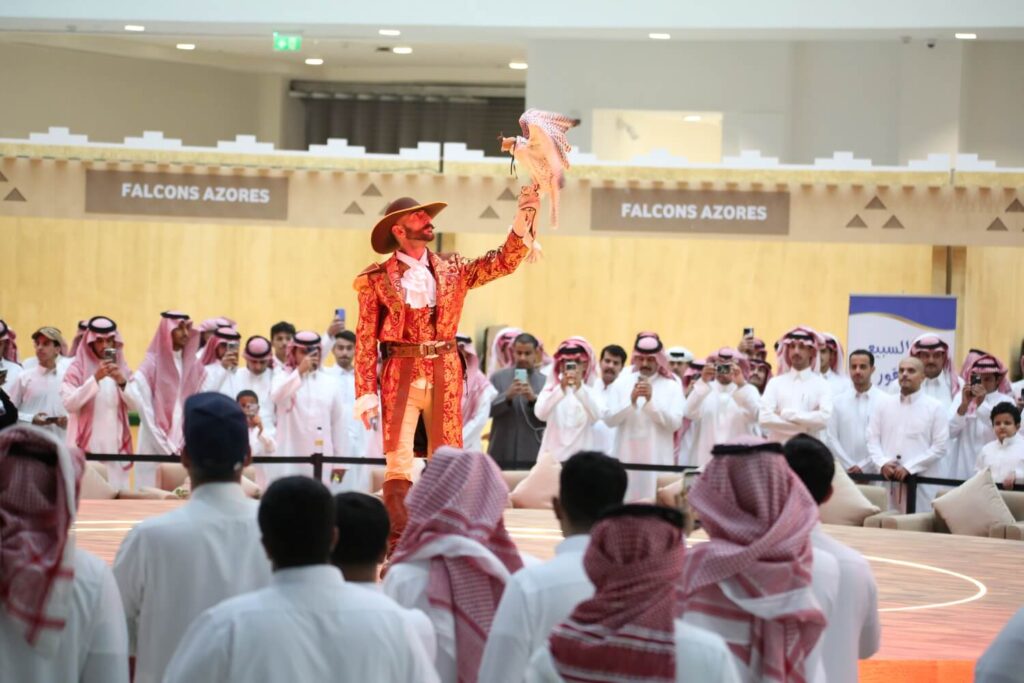
Through cultural shows and experiences, creative teams can combine traditional influences with modern theatrical techniques.
Talent Selection Is Creative Direction
Choosing performers is one of the most influential decisions in live event production.
It affects the energy, credibility, emotional character, and overall identity of the experience.
At Soul Kulture, bespoke entertainment is approached through a broader creative perspective that connects artistic concepts with performance and production.
This helps ensure entertainment contributes to the event rather than existing as a separate attraction.
The most memorable performance is not necessarily delivered by the biggest name.
It is delivered by the artist who belongs in that moment.
Frequently Asked Questions
Bring together the right artists, creative vision, and stage experience for a truly original production in Dubai.
Explore Customized Live ShowsYou May Also Like