The View From Every Seat in Dubai
A live event is experienced in the room.
It is also experienced through cameras.
Guests watch from their seats, but photographers watch through lenses. Video teams capture movement for recap films. Social teams look for vertical content. Screens show close-ups to guests farther away. Media teams need clear key moments. Brands need visuals that continue working after the event ends.
This means the entertainment has more than one audience.
In Dubai, event content has become part of the experience’s long-term value. A launch may last one evening, but its photographs, reels, recap videos, press coverage, and social content may remain visible for months. The live moment needs emotional impact, but it also needs visual clarity.
For brand and product launch entertainment, camera-conscious design is especially important. The product, performer, audience reaction, scenic environment, and reveal should all be visible from the right angles.
Soul Kulture creates camera-conscious live entertainment across Dubai, Abu Dhabi and Sharjah, helping events in Dubai balance audience experience, performance direction, lighting, staging, camera access, and visual content needs.
The camera should never control the entire event.
But it should never be forgotten.
The Best Seat and the Best Shot Are Not Always the Same
An event may look beautiful from the center of the room but weak from the side.
A performance may feel powerful to front-row guests but disappear in a wide camera shot. A reveal may be visible to the audience but blocked for the photographer. A stage formation may look balanced from one angle and uneven from another.
In Dubai, camera-conscious planning begins by understanding the different viewpoints.
These can include:
- Front audience view
- Side audience view
- Wide camera position
- Photographer position
- Mobile phone view
- Stage camera
- Screen feed
- VIP seating
- Drone or elevated angle
- Back-of-room perspective
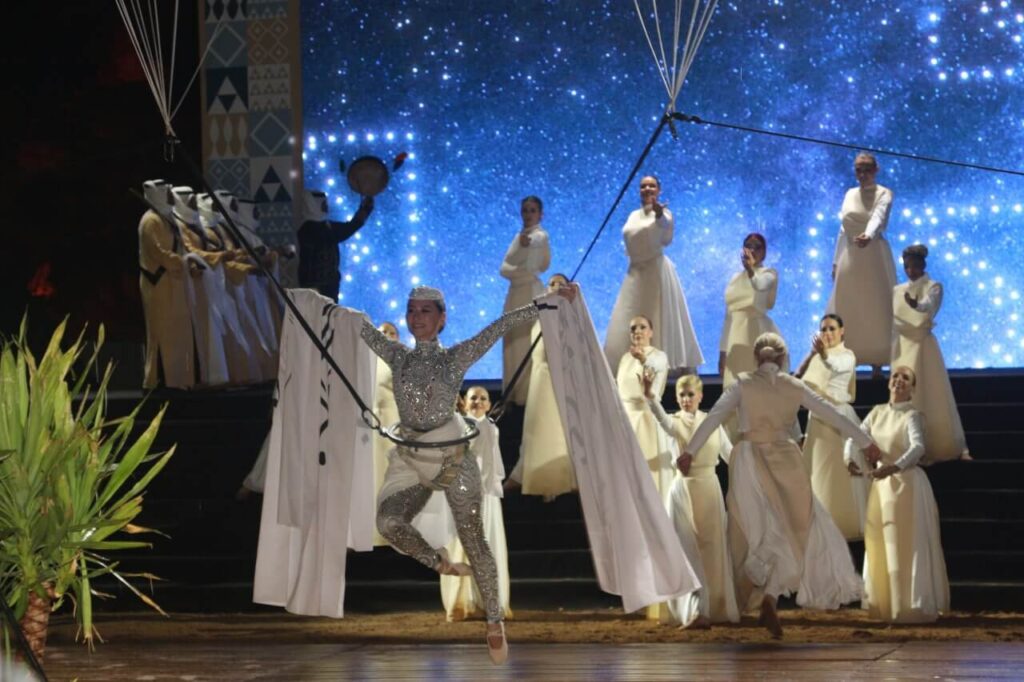
For opening and closing ceremonies, large-scale visuals should remain clear from multiple positions. The final stage image may need to work for the audience, broadcast feed, media photography, and event recap.
A strong live image should not collapse when the camera moves.
Performer Movement Needs Visual Landmarks
Performers need to understand where cameras are.
This does not mean they should constantly perform toward the lens. It means their movement should create clear visual moments that cameras can capture without interrupting the live experience.
In Dubai, performance direction can include key positions, pauses, formations, entrances, and final poses that support both guests and content teams.
Camera-conscious movement may include:
- Clear stage marks
- Open body positioning
- Controlled group spacing
- Strong final poses
- Visible entrances
- Held reveal moments
- Clean scenic backgrounds
- Balanced formations
- Avoiding blocked sightlines
- Understanding close-up moments
For customized live shows, choreography can be designed around the venue and camera plan. A movement may need a short hold so the photographer can capture it. A final formation may need adjustment so every performer remains visible.
The performance should remain natural.
But key moments should be readable.
Lighting Must Work for Eyes and Lenses
Lighting that feels beautiful in person does not always look good on camera.
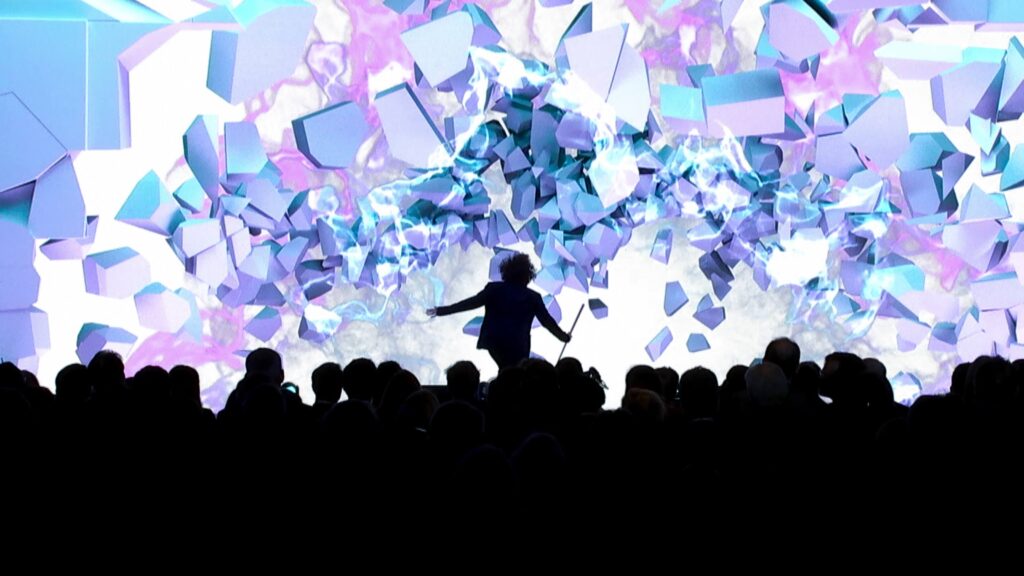
A room may feel intimate to guests but appear too dark in photographs. Bright screens may wash out faces. Colored lighting may affect skin tones. Fast lighting changes may create inconsistent video exposure. Strong backlighting may create silhouettes when the camera needs detail.
In Dubai, lighting should balance atmosphere with content quality.
Camera-conscious lighting considers:
- Skin tones
- Performer visibility
- Product detail
- Screen brightness
- Stage contrast
- Audience reaction shots
- Flicker
- Color balance
- Wide shots
- Close-ups
- Vertical video
- Final image clarity
For luxury brand events, lighting should remain refined while still supporting strong visuals. A luxury atmosphere can be dark and controlled, but the key faces, products, performers, and scenic details should remain readable.
The room should feel beautiful.
The content should preserve that beauty.
Screens Can Help or Compete
Screens often play a major role in events.
They can show live camera feeds, brand content, product details, ceremony visuals, subtitles, graphics, or atmospheric motion. But screens can also create problems for photography and video if their brightness, content, and timing are not controlled.
In Dubai, screens should support the visual story rather than overpower the people on stage.
Screen planning should consider:
- Brightness
- Color
- Motion
- Text size
- Camera exposure
- Performer contrast
- Brand visibility
- Screen refresh behavior
- Live feed delay
- Background clutter
For projection design, visual surfaces should be coordinated with the camera plan. The projection should remain aligned and visible while allowing performers and products to remain clear.
The screen is part of the image.
It should not destroy the image.
The Reveal Needs Time to Be Captured
A reveal may happen in seconds.
The audience sees it live, but cameras need a clear moment. If performers block the product, lighting changes too quickly, smoke covers the view, or the program immediately moves forward, the content team may miss the strongest visual.
In Dubai, brand and product reveals should include a controlled hold.
This can give time for:
- Audience reaction
- Product visibility
- Photographer shots
- Video close-ups
- Screen feed
- Applause
- Host commentary
- Brand content
- Wide scenic images
The reveal should still feel natural.
But it should not disappear before it has been documented.
For brand and product launch entertainment, this hold can become part of the emotional design. The audience receives time to absorb the product while the camera captures the moment clearly.
Audience Reactions Are Part of the Story
A performance alone does not always communicate the full impact of an event.
Audience reactions show emotion.
Applause, surprise, smiles, focus, photography, movement, and shared attention can help tell the story of the experience. This is especially valuable for recap content because it shows that the entertainment connected with real guests.
In Dubai, audience reaction shots should be considered without making guests feel staged.
Entertainment can naturally create strong reactions through:
- Surprise entrances
- Emotional music
- Visual reveals
- Strong finales
- Aerial moments
- Cultural performances
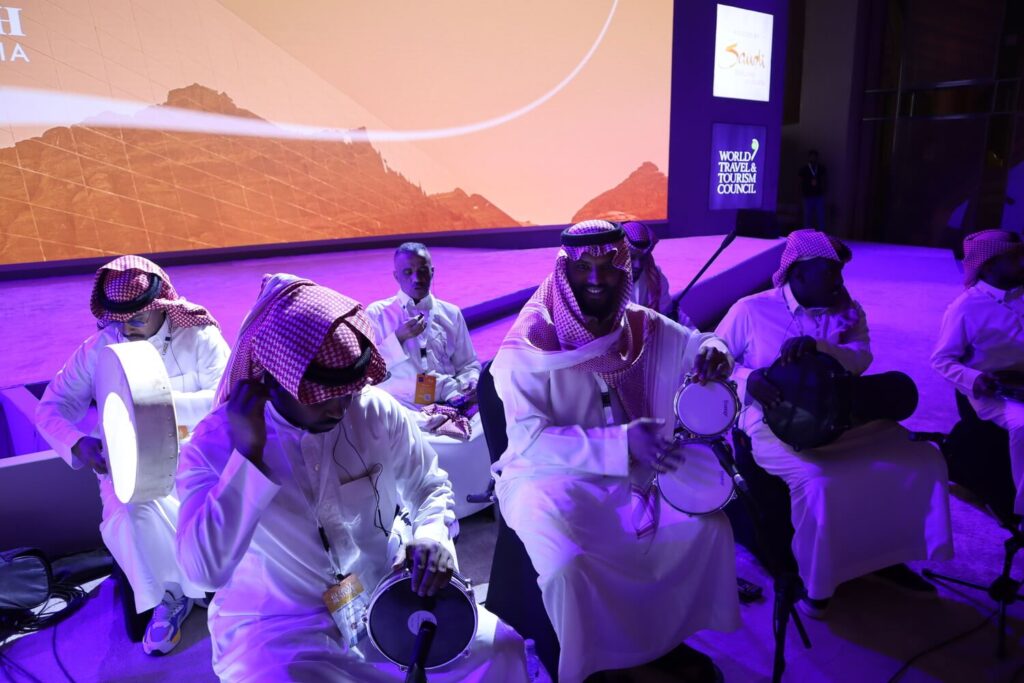
- Live musicians
- Cinematic lighting
- Shared applause
For gala dinner entertainment, the relationship between the performer and seated audience can create beautiful content. The camera may capture both the act and the atmosphere of the room.
The audience is not only watching the story.
Their reaction becomes part of it.
Vertical Content Changes Composition
Social media often uses vertical video.
Traditional stages and wide formations are not always easy to capture vertically. A visually strong horizontal moment may lose performers, scenery, or context when cropped for a phone screen.
In Dubai, event content teams may need both horizontal and vertical coverage. Performance design can support this through clear central action, layered staging, readable performer positions, and moments that work at different crop sizes.
Vertical-friendly moments may include:
- Solo performer entrances
- Central product reveals
- Strong costume details
- Vertical scenic structures
- Aerial acts
- Close musical moments
- Clear lighting frames
- Performer and audience interaction
- Strong facial expressions
- Controlled motion
This does not mean every performance should be designed for social media.
It means key moments should remain useful across formats.
Wide Shots Need a Complete World
Wide shots show the scale of the event.
They capture the stage, audience, venue, lighting, scenic design, screens, and overall atmosphere. A wide shot can communicate production value quickly, but only if the full environment feels visually connected.
In Dubai, wide event visuals are important for brand portfolios, media coverage, websites, proposals, and recap films.
A strong wide shot needs:
- Clear focal point
- Balanced stage composition
- Visible audience
- Controlled lighting
- Scenic depth
- Strong screen content
- Clean venue lines
- Performer scale
- Atmosphere across the room
For corporate and luxury event entertainment, the wide shot should communicate the level of the event without making the entertainment look small or lost.
The venue should feel alive as one complete image.
Close-Ups Need Detail
Close-up cameras reveal everything.
They show costume finishes, makeup, performer expression, props, instruments, product surfaces, scenic materials, and small visual inconsistencies. Details that are invisible from the audience can become obvious in photographs or video.
In Dubai, camera-conscious production should consider close-up quality.
This can include:
- Costume finishing
- Makeup
- Prop condition
- Product cleanliness
- Cable visibility
- Performer expression
- Scenic edges
- Microphone placement
- Brand details
- Hand movement
- Instrument presentation
For luxury brand events, detail is especially important. Premium experiences should continue to look premium under close inspection.
The camera brings the audience closer.
The production needs to hold up.
Camera Teams Need Access Without Disrupting Guests
Photography and video teams need room to work.
But their movement should not block guests, interrupt performers, enter key sightlines, or make the event feel like a film set. Camera access needs planning.
In Dubai, this can include designated positions, clear pathways, elevated platforms, stage access rules, communication with show calling, and timing for specific shots.
Camera coordination may consider:
- Photographer zones
- Video platforms
- Cable paths
- Audience sightlines
- Performer routes
- Stage access
- Reveal positions
- Media timing
- VIP areas
- Drone permissions
- Low-light equipment
- Communication signals
A good camera plan protects both the live guest and the captured content.
Soul Kulture Designs for the Room and the Record
Soul Kulture approaches camera-conscious entertainment by considering how the experience works live and how it remains visible afterward.
Before the show is finalized, the key visual moments are identified. What must be captured? Where will cameras be placed? Which performance moments need holds? How should lighting support faces and products? What should the wide shot communicate? Which details matter in close-up?
This approach can include:
- Camera-conscious show direction
- Performer positioning
- Reveal timing
- Lighting coordination
- Wide-shot planning
- Vertical-content moments
- Audience reaction opportunities
- Screen-content alignment
- Photographer access
- Product visibility
- Final-image planning
- Rehearsal with camera teams
In Dubai, this helps events create stronger live experiences and stronger visual records.
The audience receives the moment.
The camera preserves it.
The Event Continues After the Guests Leave
A live event may last only a few hours.
Its content may continue working long afterward.
Photographs can support media coverage. Recap films can communicate scale. Reels can extend audience reach. Brand teams can reuse visuals. Event portfolios can attract future clients. A strong image can become part of how the occasion is remembered.
For events in Dubai, camera-conscious entertainment protects this long-term value without weakening the live experience.
The event should never feel designed only for cameras.
But its strongest moments should be ready to be captured.
One event can have many angles.
The best production works across all of them.
Frequently Asked Questions
What is camera-conscious event entertainment?
It is live entertainment designed to work well for the audience while also supporting photography, video, screens, broadcast feeds, and social content.
Why should performers know camera positions?
Camera awareness helps performers create clear entrances, formations, poses, and visual moments without performing unnaturally toward the lens.
How does lighting affect event photography?
Lighting affects skin tones, product visibility, performer detail, screen exposure, stage contrast, and overall image quality.
Why should a product reveal include a visual hold?
A short hold gives the audience time to react and allows photographers and video teams to capture the product clearly.
Can events be designed for vertical content?
Yes. Key moments can be staged with clear central action and readable visual composition that also works in vertical formats.
How does Soul Kulture approach camera-conscious entertainment?
Soul Kulture considers performer positions, lighting, camera access, reveal timing, visual holds, screen content, audience reactions, and final image quality.
Create live entertainment that feels powerful in the room and remains visually strong through every camera angle.
Explore Brand & Product Launch EntertainmentYou May Also Like