Before the Performance Begins in Dubai
The audience understands a performer before the performance fully begins.
How the performer enters the space tells guests what kind of moment is coming. A slow entrance can create elegance. A sudden entrance can create surprise. A musical entrance can build emotion. A silent entrance can create tension. A group entrance can create scale. A performer appearing from an unexpected point can make the whole room feel more alive.
Stage entrances are not small details.
They are the first impression of the live act.
In Dubai, events are becoming more cinematic and more performance-led. Audiences expect entertainment that feels designed from the first second, not only once the main act begins. A strong entrance can make the difference between a performance that starts normally and a performance that immediately captures attention.
For customized live shows, entrances should be designed as part of the full event concept. They should match the performer, music, costume, lighting, stage layout, audience position, and emotional purpose of the moment.
Soul Kulture creates customized live performances across Dubai, Abu Dhabi and Sharjah, helping events in Dubai shape performer entrances through movement, music, lighting, staging, timing, and visual direction.
The entrance tells the audience how to watch.
Anticipation Before the Reveal
Before a performer appears, the audience can already feel something coming.
This anticipation can be created through music, light, sound, silence, screen visuals, host wording, performer shadows, movement in the space, or a shift in atmosphere. The audience begins to focus before they see the full act.
In Dubai, anticipation is useful for gala dinners, ceremonies, festivals, luxury events, brand launches, and theatrical productions. It helps the room prepare emotionally.
An entrance can build anticipation through:
- A gradual lighting dim
- A musical build
- A sound cue
- A performer silhouette
- A screen countdown
- A host line
- A door reveal
- A movement path
- A sudden blackout
- A spotlight opening
For brand and product launch entertainment, entrance design can support a product reveal or brand moment. The performer may lead attention toward the reveal, frame the product, or introduce the atmosphere before the main brand message appears.
Anticipation gives the entrance emotional value.
It makes the first appearance feel earned.
Where the Performer Comes From
Where a performer enters from changes the audience experience.
A performer entering from the main stage feels formal. A performer entering from the back of the room can surprise the audience. A side entrance can feel theatrical. A central aisle can feel ceremonial. An entrance from above can feel dramatic. An entrance through the audience can feel immersive.
In Dubai, event venues can include ballrooms, outdoor locations, arenas, cultural sites, hotel spaces, festival zones, and private venues. Each location offers different entrance possibilities.
Entrance planning should consider:
- Audience sightlines
- Performer safety
- Venue layout
- Lighting positions
- Music timing
- Stage distance
- Camera angles
- Costume movement
- Guest tables
- Technical access
- Final stage position
For gala dinner entertainment, entrances should respect the room. A performer entering between tables needs careful planning so the moment feels elegant, not disruptive.
The entrance path should feel like part of the show.
Not only a way to reach the stage.
Light as the First Frame
Lighting can make an entrance feel ordinary or unforgettable.
A performer walking into flat light may feel exposed too early. A performer revealed gradually through shadow, color, spotlight, or silhouette can create drama and focus.
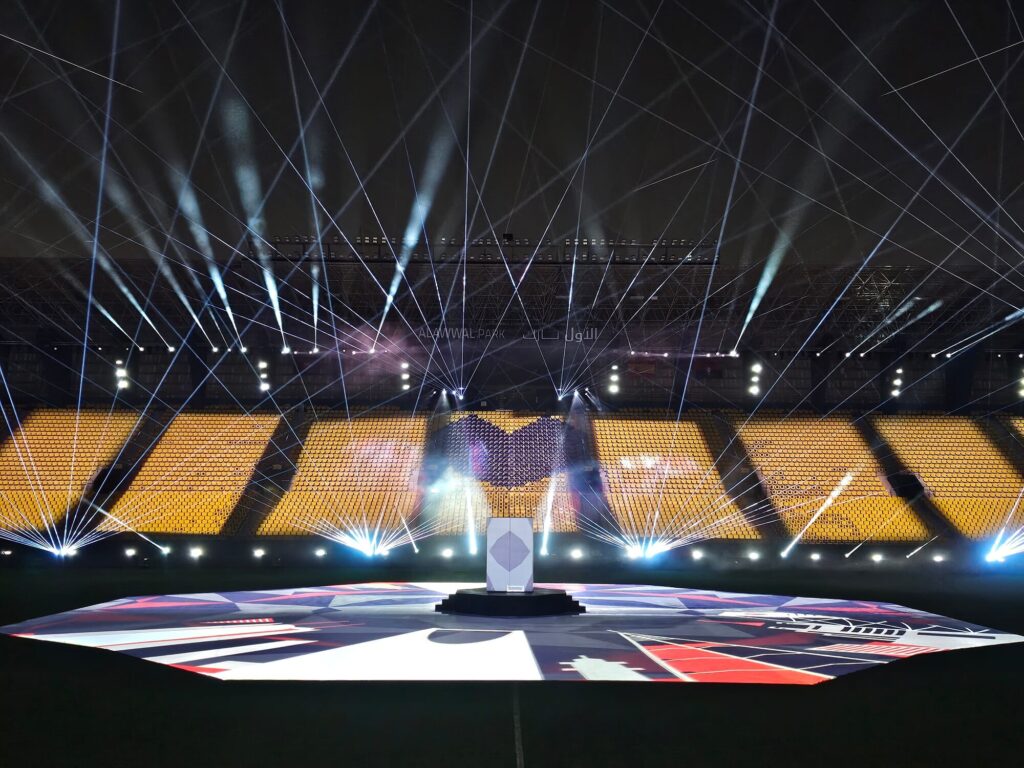
In Dubai, lighting is one of the most important tools for stage entrances because it guides attention. The audience should know where to look, and the performer should appear at the exact moment the event wants them to be seen.
Lighting can support an entrance through:
- Silhouette
- Backlight
- Follow spot
- Color shift
- Floor light
- Spotlight reveal
- Soft glow
- Blackout
- Side light
- Lighting chase
For luxury brand events, lighting should be refined. The entrance should not feel random or overdone. It should match the brand’s atmosphere and the event’s visual identity.
A strong entrance often begins in darkness and becomes meaningful through light.
Music Brings the Performer Into the Room
Music controls the energy of the entrance.
A performer walking in silence creates one kind of mood. A performer entering on a strong beat creates another. A live musician can make the entrance feel human and premium. A cinematic score can create scale. A soft instrumental piece can create elegance.
In Dubai, music direction helps performer entrances feel intentional. The entrance should match the pace and personality of the act.
Music can decide:
- How fast the performer moves
- When the audience looks up
- When the lighting cue hits
- When the performer reaches the mark
- When the applause begins
- How the performance continues after the entrance
For musical productions, entrance music can become part of the wider event sound identity. A recurring musical theme can connect performer entrances across different scenes.
The entrance should not feel like the performer is simply walking in.
It should feel like the music brought them into the room.
Costume in Motion
A costume is often introduced through the entrance.
The audience first sees how the fabric moves, how the silhouette appears under light, how the performer carries the look, and how the costume belongs to the event world. If the entrance is weak, even a strong costume may not have full impact.
In Dubai, costume and entrance direction should be connected. A large costume may need a slower entrance. A reflective costume may need specific lighting. A cultural costume may need a respectful and composed entrance. A futuristic look may need sharper movement and sound.
Costume entrance planning should consider:
- Movement speed
- Fabric flow
- Visibility
- Lighting response
- Safety
- Stage steps
- Performer confidence
- Camera angles
- Final pose
- Interaction with props
For cultural shows, entrances can help protect the dignity and meaning of the costume. The performer should appear in a way that respects the cultural tone of the event.
The first step should already feel designed.
Group Entrances
When several performers enter together, formation matters.
A group entrance can create scale and energy, but only if the performers move with structure. If the group enters unevenly, the impact can weaken. The audience should feel a clear visual idea.
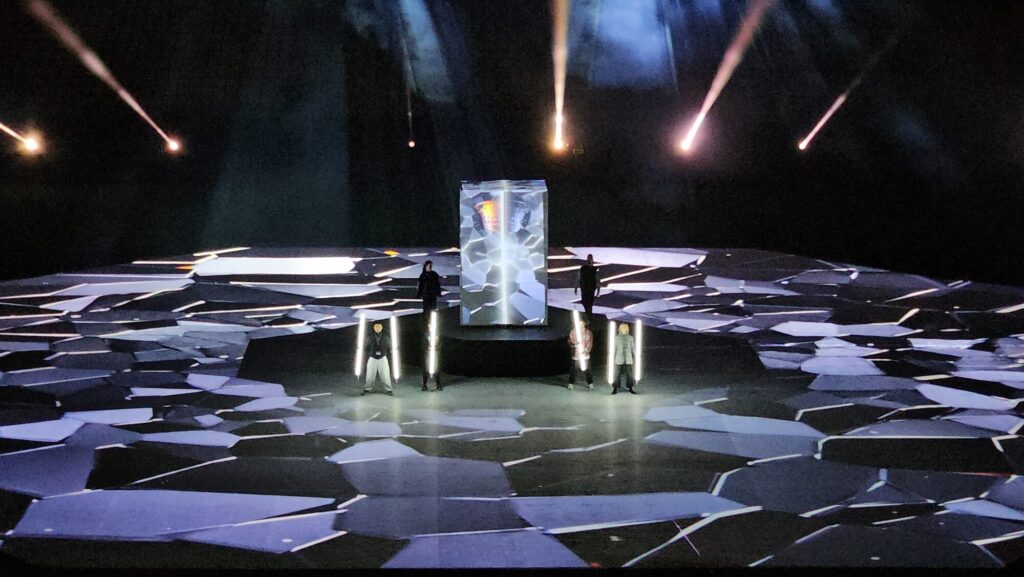
In Dubai, group entrances are common in ceremonies, festivals, gala shows, cultural performances, and theatrical productions. The entrance should create a strong first picture.
Group entrances can use:
- Lines
- Circles
- Diagonals
- Waves
- Processions
- Symmetry
- Layered entrances
- Staggered reveals
- Performer levels
- Central framing
For arts and performance festivals, group entrances can help introduce the creative identity of the performance. The group should not appear casually. It should arrive with rhythm and purpose.
A group entrance should look organized even when it feels energetic.
Distance Changes Everything
An entrance designed for a small room will not always work in a large venue.
In a small room, subtle movement may be visible and powerful. In a large venue, the entrance may need stronger lighting, bigger movement, clearer music, and a more defined stage picture. Audience distance changes how the entrance should be designed.
In Dubai, events can vary from intimate luxury dinners to large public ceremonies. Entrance direction should match the scale.
Audience distance affects:
- Movement size
- Costume readability
- Lighting intensity
- Music volume
- Timing
- Stage route
- Formation clarity
- Screen support
- Camera coverage
For opening and closing ceremonies, large-scale entrances often need strong visual planning. The audience should understand the performer’s arrival even from far away.
A strong entrance is designed for the room, not only for the performer.
The Entrance Needs Rehearsal
An entrance may last only seconds, but it needs rehearsal.
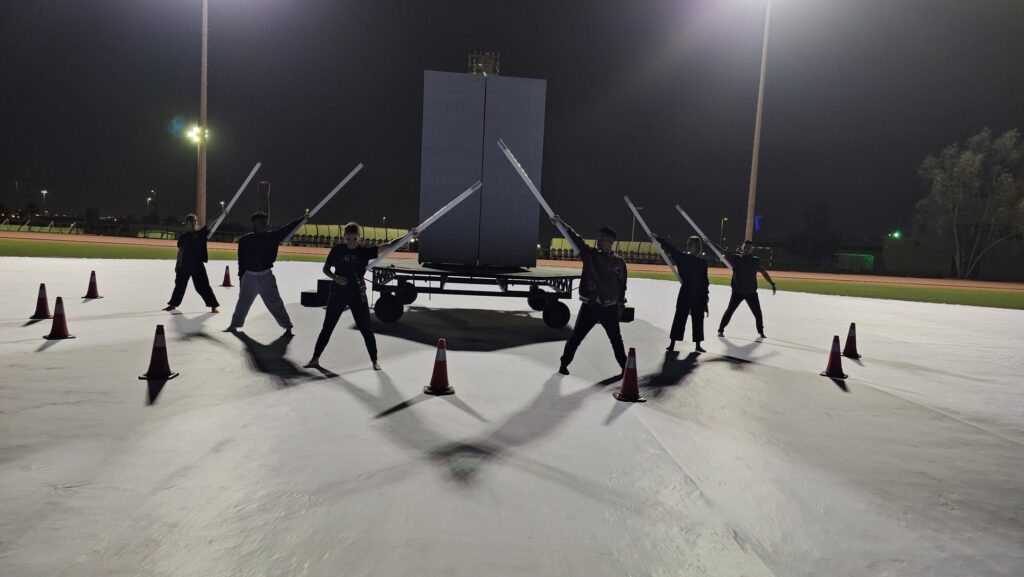
The performer must know where to begin, when to move, how fast to walk, where to pause, where the light will hit, where the music changes, and how to reach the first performance mark. Without rehearsal, the entrance can feel uncertain.
In Dubai, professional events need entrances that feel smooth and confident. Guests may not notice every cue, but they will feel if the performer appears late, enters from the wrong place, or misses the first visual moment.
Entrance rehearsal should test:
- Timing
- Performer route
- Lighting cue
- Music start
- Stage mark
- Costume movement
- Camera angle
- Safety
- First pose
- Transition into performance
A good entrance makes the performer feel confident.
That confidence reaches the audience.
Soul Kulture and the First Appearance
Soul Kulture approaches performer entrances as part of the full performance language.
Before designing the entrance, the event concept is understood. What should the performer represent? Should the first appearance feel elegant, dramatic, playful, cultural, mysterious, or cinematic? Where should the performer appear from? How should the music build? How should the lighting reveal the moment?
This approach can include:
- Entrance concept development
- Performer route planning
- Music cue direction
- Lighting reveal planning
- Costume movement consideration
- Group formation direction
- Stage and venue mapping
- Rehearsal support
- Brand reveal entrances
- Ceremony performer entrances
- Gala entertainment entrances
- Final stage picture planning
In Dubai, this helps performances feel more polished from the first second. The entrance is not treated as a practical step before the act. It becomes part of the emotional experience.
Soul Kulture considers how the performer first appears and what that appearance tells the audience.
The First Impression Stays
A performance does not begin after the performer reaches the stage.
It begins with the entrance.
For events in Dubai, stage entrance design can make live entertainment feel more cinematic, more intentional, and more memorable. It can give performers stronger presence, help the audience focus faster, and make the event feel more directed.
The first appearance tells guests what kind of moment they are about to experience.
When entrance, music, lighting, costume, movement, and timing work together, the performance begins with confidence.
And the audience feels it immediately.
Frequently Asked Questions
Why are stage entrances important in live events?
Stage entrances shape the first impression of a performer and help the audience understand the energy, tone, and importance of the performance.
What makes a strong performer entrance?
A strong entrance uses timing, music, lighting, movement, costume, and stage direction to create focus and anticipation.
Can entrances work outside a traditional stage?
Yes. Performers can enter through aisles, audience spaces, entrances, outdoor pathways, or elevated positions depending on the event.
Why does lighting matter for entrances?
Lighting reveals the performer, guides audience focus, creates mood, and helps the entrance feel more dramatic or refined.
Do performer entrances need rehearsal?
Yes. Rehearsal helps align timing, music, lighting, movement paths, safety, and the first performance position.
How does Soul Kulture design stage entrances?
Soul Kulture designs entrances around event tone, performer role, venue layout, music, lighting, costume, timing, and audience focus.
Give every live performance a stronger first impression with stage entrances designed around music, lighting, movement, and show direction.
Explore Customized Live ShowsYou May Also Like